

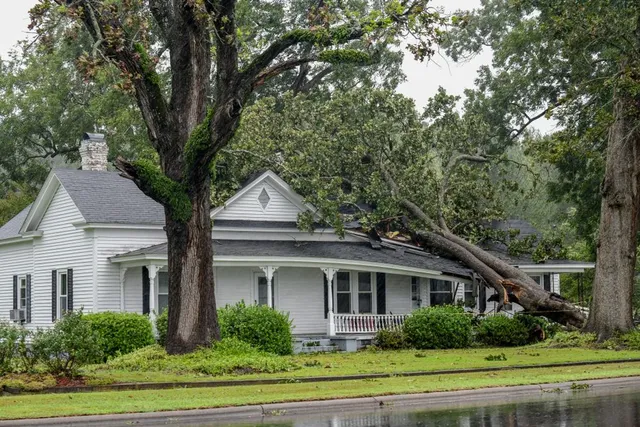
When a tree hits your roof, minutes matter. In Upstate NY, where wind, ice, and heavy snow can bring limbs down without warning, the right first steps can protect your family, prevent further damage, and speed up insurance claims. This comprehensive guide walks you through exactly what to do—safely, confidently, and in the right order—so you can restore your home without costly missteps.
If you’re dealing with emergency damage right now or want a trusted plan before the next storm, call a local roofing contractors for help. For fast assessment and secure temporary protection, contact Elite Contracting—serving homeowners across the Capital Region.
First 24 Hours: What to Do Immediately After a Tree Falls on Your Roof
1) Protect life and property first
- Call 911 if there are downed power lines, sparking, or a fire hazard.
- Evacuate rooms directly under the damaged area. Roof penetrations can destabilize rafters and ceiling joists.
- Shut off utilities if you smell gas or see water pouring in through ceilings or walls.
2) Document everything for insurance
- Take photos and short videos from a safe distance—exterior first, then interior if it’s safe to enter. Capture wide shots and close-ups of impact points, damaged shingles, broken branches, punctures, and water intrusion.
- Note the date, time, and weather conditions.
- Do not remove branches or debris yet; adjusters often want to see the site unchanged.
3) Call your insurer and line up emergency help
- Notify your insurance carrier to open a claim and ask about approved next steps for emergency mitigation.
- Contact licensed roofing contractors for temporary tarping and a damage assessment. Ask about 24/7 emergency service and tree-removal coordination.
- If the tree is on a utility line, contact your utility provider before any removal work begins.
4) Temporary coverings: what’s safe and what’s not
- If it’s safe to do so, place containers and plastic sheeting under interior leaks to protect floors and belongings.
- A professional-grade tarp secured above and beyond the damaged area (extending past the ridge if necessary) can prevent water intrusion. This is best handled by pros due to fall risk and the need to confirm structural stability.
- Avoid do-it-yourself roof work on wet or icy surfaces. Falls are the most common cause of injury after storm events.
How to Assess the Extent of Tree Damage
Exterior signs you can safely spot from the ground
- Missing or sheared-off shingles, bent metal panels, or displaced ridge caps
- Punctures, “soft spots,” or visible depressions where a limb impacted
- Gutter or fascia damage, dented flashing, or loose soffits
- Structural red flags: sagging roofline, cracked chimney, or visibly shifted rafters
Interior indicators of trouble
- Brown or yellow ceiling stains spreading after rain or melting snow
- Musty odors, peeling paint, or bubbling drywall
- Doors or windows that suddenly stick—possible framing movement
Even minor-looking impacts can drive water under shingles or bend fasteners, causing leaks that appear days later. A detailed inspection by trained roofing contractors should include a look at the decking, underlayment, flashing, attic, and ventilation path.
How Different Roofing Materials React to Fallen Limbs
Asphalt shingles
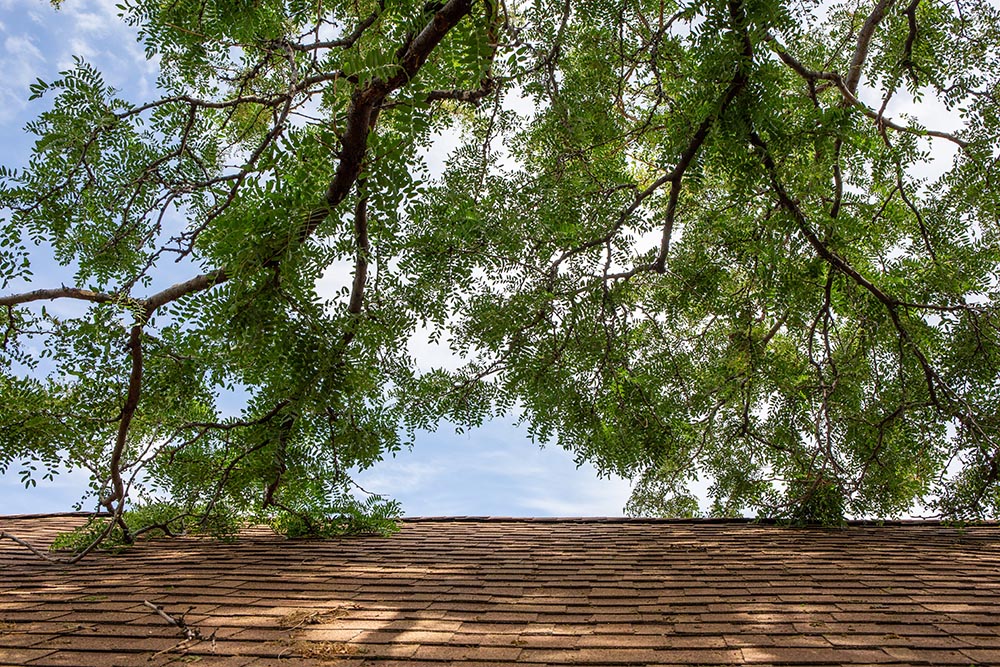
- Most common in the Capital Region, asphalt shingles handle moderate impacts reasonably well but are prone to granule loss, creasing, and tearing.
- Hidden damage often includes broken seals and compromised underlayment—prime paths for future leaks.
Metal roofing
- Highly resilient to puncture but susceptible to dents, seam distortion, and displaced fasteners after heavy impacts.
- Damage at panel seams or flashings can allow wind-driven rain to enter the assembly.
Wood shake or shingle
- Can crack, split, or dislodge under limb impact; moisture retention from debris can speed decay and invite pests.
- Repairs often require selective replacement and careful matching to maintain curb appeal and weatherproofing.
Common Repair Scenarios After Tree Impact
Localized shingle replacement
Ideal when damage is limited to a small area with intact decking. Pros should reseal, replace underlayment as needed, and ensure color blending for curb appeal.
Decking repairs
When a branch penetrates the roof, the plywood or OSB deck may require partial replacement. Proper nailing patterns, underlayment, and flashing reinstatement are critical to prevent air and water leaks.
Structural reinforcement
Moderate to severe impacts can crack rafters or trusses. A licensed contractor may sister rafters, install gussets, or rebuild sections to restore load paths—especially important in snow country.
Partial re-roofing
If damage is substantial but contained, a partial re-roof can be cost-effective. Age, material availability, and warranty considerations will guide whether a full replacement is smarter.
Full re-roofing
When impacts combine with an aging roof or widespread shingle failure, a full replacement often yields the best long-term value, improved energy efficiency, and upgraded warranties.
Insurance and Roof Repairs: What Upstate NY Homeowners Need to Know
- Coverage basics: Most homeowners policies cover sudden and accidental damage from fallen trees. Coverage may depend on whether the tree was alive and healthy versus dead/diseased.
- Deductibles: Know your wind/hail or named-storm deductible if applicable; these can differ from your standard deductible.
- Documentation: Claims go smoother when you provide clear photos, a written timeline, and professional estimates.
- Emergency mitigation: Insurers typically reimburse reasonable tarping and drying costs to prevent further damage.
- Coordination: Work with experienced roofing contractors who understand estimating for insurance, code upgrades, and local permitting.
Repair Costs by Type of Damage (Fictional but Realistic Ranges)
Every home is unique, but these ballpark ranges help you plan. Final pricing depends on roof size, pitch, material, accessibility, and the extent of structural work.
| Damage Type | Typical Scope | Estimated Cost Range | Notes |
|---|---|---|---|
| Minor shingle repair | Up to 3 bundles + sealing | $450 – $1,200 | Color match and wind rating matter |
| Decking patch | Replace 1–3 sheets plywood/OSB | $900 – $2,200 | Includes underlayment and flashing touch-ups |
| Structural reinforcement | Sister rafters, gusset plates | $1,500 – $5,000+ | Snow-load design may increase scope |
| Partial re-roof | Up to 25–50% of roof surface | $4,500 – $12,000 | Consider age and warranty blending |
| Full asphalt re-roof | Tear-off + install (1,800–2,500 sq ft) | $9,500 – $19,000 | Ice/water shield, ventilation upgrades |
| Metal roof panel replacement | Panel swap + seam/fastener reset | $1,200 – $4,500 | Custom panels can extend lead time |
Quick “Cost Infographic” Guide
- Small leak + shingle patch: $
- Decking repair + underlayment: $$
- Structural reinforcement: $$$
- Partial re-roof: $$$$
- Full replacement: $$$$$
Tip: Ask your contractor for a good-better-best repair path with itemized costs, so you can coordinate with your adjuster and choose the best long-term value.
Warning Signs of Hidden Damage You Shouldn’t Ignore
- Persistent ceiling spots that return after each rain or thaw
- Attic frost in winter—often a sign of air or moisture intrusion after roof penetrations
- Drafts or temperature swings indicating ventilation disruption
- Musty odors or visible mold growth along rafters or sheathing
- Cracks around interior openings after a large impact—possible framing movement
Why Upstate NY Homeowners Need Trusted roofing contractors
After storm damage, it’s tempting to choose the first provider who can show up. But a roof is a system—shingles or panels, underlayment, flashing, ventilation, and the framing beneath. Choosing proven pros protects your home’s structure and your claim. Before you sign anything, review this guide on what to know before hiring a roofer near you so you can vet experience, warranties, and references with confidence.
What experienced crews bring to the table
- Accurate structural and moisture assessments that catch problems early
- Code-compliant repairs and proper ice/water shield for Upstate NY winters
- Clean, safe, and efficient tarping to minimize secondary damage
- Detailed, insurance-ready documentation and itemized estimates
Prevention: Tree Maintenance, Roof Inspections, Seasonal Prep
Smart tree care
- Prune limbs away from the roofline and remove dead or diseased trees before storms.
- Watch for trees with heavy leans, root upheaval, or fungus at the base—these are high-risk.
Roof inspections
- Schedule a professional inspection after major wind or ice events, and at least once per year.
- Have flashing, valleys, and penetrations checked carefully; these are common leak points.
Seasonal readiness
- Keep gutters clean so meltwater can flow and not back up under shingles.
- Ensure adequate attic ventilation and insulation to reduce ice dams.
- Stow patio furniture and items that could become wind-blown projectiles.
Upstate NY Storm-Damage Trends: What We’re Seeing
While every year is different, homeowners across the Capital Region see a familiar pattern: late-fall windstorms, heavy wet snow in early winter, and freeze-thaw cycles that test aging roofs. Here’s a simple visual using fictional but realistic data to illustrate reported roof-damage service calls by quarter.
Reported Roof-Damage Calls (Capital Region, Past 3 Years)
Q1 (Jan–Mar):  ████████████  (High)  — Ice, heavy snow, freeze-thaw
Q2 (Apr–Jun):  ███████       (Moderate) — Spring wind + rain
Q3 (Jul–Sep):  █████         (Lower)  — Summer storms, isolated microbursts
Q4 (Oct–Dec):  ███████████   (High)  — Fall windstorms, early snow

Year-over-Year Trend (Fictional Index, 100 = Baseline)
2022: 100  ■■■■■■■■■■
2023: 108  ■■■■■■■■■■■
2024: 117  ■■■■■■■■■■■■■
Takeaway: Seasonal maintenance, timely inspections, and quick responses to minor leaks pay off—especially heading into Q1 and Q4, when storm risk peaks.
Repair vs. Replacement: Quick Decision Matrix
| Condition | Recommendation | Why |
|---|---|---|
| Roof under 10 years old, localized damage | Repair | Cost-effective; preserves useful life |
| Multiple leaks + widespread shingle loss | Partial or full replacement | Better long-term value, warranty reset |
| Significant structural compromise | Repair framing + consider replacement | Restore load paths; reduce future risk |
| Roof older than 15–20 years | Strongly consider full replacement | Reduced maintenance; improved energy performance |
Interactive breakdown of options
When a targeted repair makes the most sense
Choose a targeted repair when impacts are limited, your roof is relatively young, and the underlayment/decking remain intact. Ask for a leak-free warranty on the repaired area.
When to consider partial re-roof
When one plane of the roof takes the brunt of the damage, partial re-roofing can control costs while restoring performance. Confirm that shingle availability and color blending won’t harm curb appeal.
When full replacement delivers more value
Older roofs with widespread damage often benefit from a full reset: new underlayment, ice/water protection, flashings, and ventilation upgrades that improve durability year-round.
FAQs: Tree Damage and Roof Repairs in Upstate NY
How fast should I get my roof tarped?
As soon as it’s safe. Rapid tarping minimizes water intrusion and protects your claim. Call a pro for secure installation and documentation.
Who pays if my neighbor’s tree fell on my house?
Typically, your homeowners policy covers your damage, regardless of tree ownership. Your insurer may seek recovery from the neighbor if negligence is proven.
Do small punctures really matter?
Yes. Even tiny breaches can allow water to wick under shingles and into the deck, causing rot and mold over time. Get a professional inspection.
Will a roof repair affect my home’s resale?
Quality, documented repairs with transferable warranties can reassure buyers. Keep estimates, invoices, and before/after photos.
Homeowner Checklist: Questions to Ask roofing contractors After Tree Damage
- Are you licensed and insured for roofing in my municipality?
- What is your emergency response time for tarping and mitigation?
- Will you provide an itemized estimate separating materials, labor, and code upgrades?
- How will you document damage for my insurance adjuster?
- What warranties cover the repair or replacement work?
- How do you ensure color and material matching on partial repairs?
- Will you inspect attic framing, ventilation, and decking—not just the shingles?
- Can you coordinate with a certified arborist or tree service if needed?
Learn More About Roof Care in the Capital Region
Stay ahead of storms, leaks, and seasonal stress with expert insights. Explore more homeowner guides and tips on the Elite Blog, and make sure you’re prepared long before the next storm warning.
Putting It All Together: Your Next Steps
Tree damage can be overwhelming, but a clear plan makes it manageable: protect your family, document the scene, notify insurance, and secure professional help quickly. From emergency tarping to structural assessments and warrantied repairs, experienced roofing contractors can restore your home and peace of mind.
When you’re ready for a responsive, local team that understands Capital Region homes and weather, contact Elite Contracting for an inspection and a clear, no-pressure plan to protect your roof for the long run.