
If you own a home in Albany, Saratoga, Clifton Park, or anywhere in the Capital Region, you’ve likely stared up at your roof and wondered if a DIY weekend project could save you time and money. While a can-do mindset is admirable, your roof is one place where the wrong step can lead to serious injury, expensive damage, and insurance headaches. For many tasks, the safest, smartest move is to partner with seasoned pros like Elite Contracting.
This guide walks you through the roof work homeowners should never attempt, why professional methods matter, how local Upstate NY weather raises the stakes, and the key signs it’s time to call trained experts. We’ll also share practical, safe tasks you can handle from the ground and provide a clear decision framework to help you choose confidently—along with tips for finding reputable roofing contractors in our region.
Roof Work Seems Simple—Until It Isn’t
From the curb, shingles look like simple layers of asphalt. On the roof, it’s a different world: steep pitches, fragile edges, slick surfaces, gusty winds, and hidden hazards beneath every step. In Upstate NY, the risks intensify with ice, snow loads, and rapid freeze–thaw cycles that can turn roofs into obstacle courses.
Common Roof-Related Hazards Homeowners Face
- Heights and fall exposure: One misstep, loose shingle, or unexpected gust can cause a life-altering fall.
- Unstable surfaces: Rotting sheathing, soft spots, and weakened trusses may not be visible until they give way.
- Improper ladders and staging: Many DIY injuries come from ladder slips, incorrect ladder angles, or unstable footing on uneven ground.
- Hidden electrical hazards: Near service drops, attic wiring, bathroom fans, and recessed lights, electrocution risks are real.
- Tools and materials: Nail guns, circular saws, and heavy bundles demand training and proper PPE.
- Weather swing: Sudden rain or wind can turn a roof slick in seconds; in winter, black ice and frost are treacherous.
roofing contractors: why the pros do it safer, faster, better
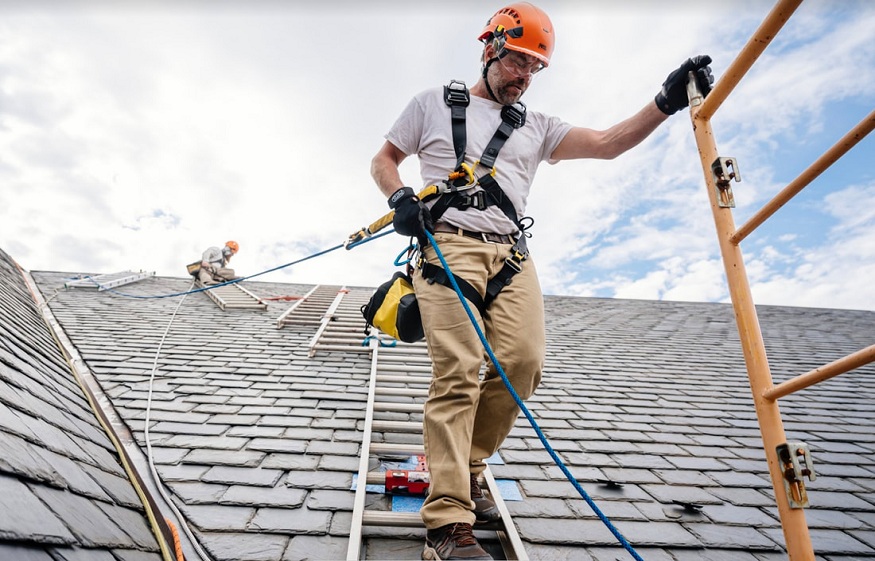
Professional crews bring technical knowledge, job-tested safety protocols, and specialized equipment. That means advanced fall protection systems, proper roof access, moisture diagnostics, and experienced crews who’ve learned how to read a roof long before stepping off a ladder. Local roofing contractors also understand Capital Region building codes, permitting, and manufacturer specifications required to keep your warranty intact.
DIY vs. Professional: The Real Dangers of Doing It Yourself
Risks DIYers Often Underestimate
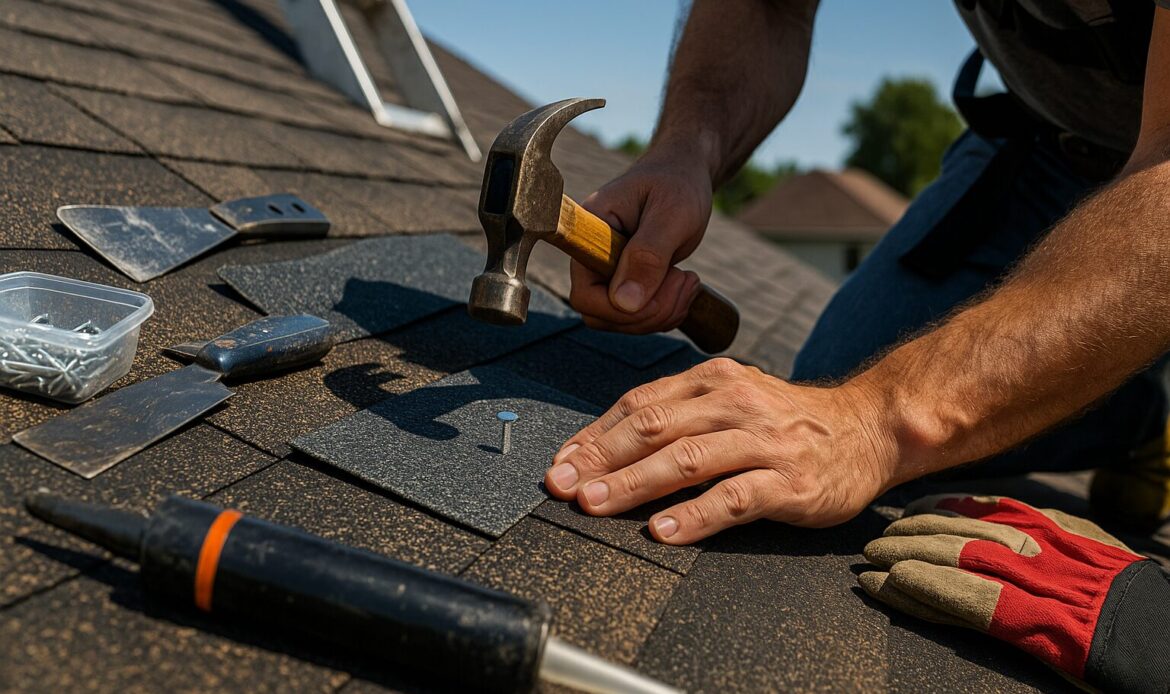
- Hidden structure damage: A “simple” shingle fix can conceal rotten decking or failed flashing that must be addressed before any patch holds.
- Ventilation mistakes: Poor soffit and ridge vent balance leads to condensation, mold, and shortened shingle life.
- Flashing errors: Chimneys, skylights, walls, and valleys require precise layering and sealing—common leak points for DIY jobs.
- Underlayment gaps: Skipping or misplacing ice and water shield allows ice dams and wind-driven rain to penetrate.
- Warranty voids: Many manufacturers require installations by certified pros using specific materials and methods.
Tasks Homeowners Should Never DIY
- Full roof replacement or structural repairs
- Chimney, skylight, wall, and valley flashing
- Storm damage emergency tarping on steep or icy roofs
- Ice dam removal using heat or mechanical methods on the roof surface
- Skylight or solar installation and penetrations through the roof deck
- Attic ventilation redesigns (ridge/soffit balance requires engineering judgment)
- Electrical, satellite, or solar wiring integration
- Asbestos or lead abatement involving older roofs or flashing
Liability and Insurance: What You Might Not Realize

Beyond safety, DIY roof work can become a paperwork problem. Home policies may deny claims if damage stems from improper repairs or unpermitted work. If a non-household helper is injured, homeowners may face liability exposure. Additionally, incorrect repairs that lead to interior water damage may not be covered if the initial work didn’t meet code or manufacturer requirements. Reputable roofing contractors carry proper insurance and follow documented processes that protect you before, during, and after the job.
What You Can Safely Do (Without Leaving the Ground)
Smart, Low-Risk Homeowner Tasks
- Ground-level inspections with binoculars or a drone operated from the ground (where legal and safe to do so).
- Gutter cleaning from a stable ladder with a helper holding the base and using ladder stabilizers—not stepping onto the roof.
- Trimming small branches that touch the roof (from the ground or by hiring an arborist for larger limbs).
- Attic checks: Look for daylight through the roof deck, wet insulation, mold, or frost.
- Monitor ceilings and walls for stains, peeling paint, or musty odors.
- Record-keeping: File photos, warranties, and service records; note storm dates for potential claims.
When It’s Time to Call a Licensed Roofing Pro
Warning Signs You Shouldn’t Ignore
- Active leaks, ceiling stains, or damp attic insulation
- Shingles that curl, cup, crack, or shed excessive granules
- Visible sagging along ridgelines or roof planes
- Exposed nail heads, lifted flashing, or missing drip edge
- Ice dams forming repeatedly at eaves
- Skylight condensation or fogging between panes
- After a storm: wind-lifted shingles, blown-off caps, or fallen debris impacts
How Pros Evaluate Roof Safety and Integrity
What a Professional Assessment Includes
- Site safety plan: Ladder staging, fall protection, and crew briefing
- Exterior inspection: Shingles, flashings, penetrations, fascia/soffits, gutters, and siding intersections
- Structural read: Deck movement, ridgeline straightness, truss/rafter behavior
- Water management: Ice and water barrier, underlayment, drip edge, and valley systems
- Ventilation audit: Ridge/soffit balance, bath/laundry vent terminations, and attic airflow
- Attic inspection: Moisture, mold, insulation coverage, and daylight infiltrations
- Documentation: Photos, moisture readings, and an itemized scope with options
Capital Region Climate Risks That Raise the Stakes
Our Upstate NY weather deserves respect—especially from late fall through early spring.
- Snow loads: Heavy accumulation stresses trusses and can flex decking.
- Freeze–thaw cycles: Worsen small cracks and drive water under shingles.
- Ice dams: From heat loss and poor ventilation, force meltwater backward under shingles.
- Nor’easters and microbursts: Tear off shingles and ridge caps; wind-driven rain exploits weak spots.
- Spring rains: Reveal winter damage; small issues become leaks.
Visual Aid: Seasonal Risk Trend (Description)
Imagine a line graph showing roof risk level from January to December. The line spikes from December through March (snow/ice), tapers slightly in April–May (heavy rains), dips in summer (heat and UV wear), and rises again in late fall (wind and early freezes). Use this mental graph to plan inspections before and after high-risk seasons.
DIY vs. Pro: Side-by-Side Comparison
| Aspect | DIY | Professional |
|---|---|---|
| Safety | High fall risk; limited PPE; unstable access | Fall protection, trained crews, controlled access |
| Diagnosis | Visual-only; may miss hidden system issues | Comprehensive: structure, envelope, ventilation |
| Quality | Inconsistent; prone to flashing/underlayment errors | Code-compliant, warrantied methods and materials |
| Cost Over Time | Lower upfront, higher risk of repeat fixes and damage | Higher upfront, longer service life and fewer surprises |
| Insurance/Warranty | Possible claim denial; may void manufacturer warranties | Proper documentation; preserves warranties |
| Timeline | Weekends and delays for learning curves | Predictable scheduling and faster completion |
Case Scenarios: What Can Go Wrong
| DIY Scenario | What Goes Wrong | Consequences | Pro Prevention |
|---|---|---|---|
| Replacing a few shingles after windstorm | Incorrect nailing pattern; mismatched shingle profile | Lifted shingles, leaks during next storm | Correct pattern, sealed tabs, matched materials |
| Caulking a chimney leak | Caulk over failing step flashing (band-aid fix) | Hidden rot and ceiling stains worsen | Proper step and counterflashing replacement |
| Installing a new bathroom vent through the roof | Poor flashing and incorrect vent cap | Backdraft moisture, mold, roof leaks | Code-compliant penetration and sealed boot |
| DIY ice dam chipping | Shingle damage and personal injury risk | Widespread leaks and hospital bills | Heat cable planning and insulation/ventilation fixes |
| Skylight replacement | Mis-sized unit and faulty flashing kit | Persistent leaks and mold around opening | Manufacturer-approved kit, proper underlayment |
How to Choose a Qualified Pro in Upstate NY
Look for local, well-reviewed experts with proof of insurance, clear scopes, and transparent pricing. Ask how they protect landscaping, manage debris, and stage the site for safety. For detailed guidance, see this resource on choosing the best contractors near you, including questions to ask during estimates and how to compare apples-to-apples proposals from reputable roofing contractors.
A Smart Strategy for Roof Replacement Planning
If your roof is nearing the end of its service life, a planned replacement often saves money compared with emergency tear-offs in peak season. Learn how to budget, time the work, and align material choices with your home’s style and performance goals by reading this guide to a roof replacement strategy tailored for the Clifton Park area.
Step-by-Step Safety Checklist (Homeowner Edition)
Use this before any roof-related task—without stepping on the roof
- Check the forecast: Avoid work during precipitation, wind advisories, or freezing temps.
- Clear the area: Remove patio furniture below roof edges; relocate vehicles.
- Ladder safety: Use a stabilizer and place the ladder on level ground; have a helper.
- PPE: Wear work gloves, safety glasses, and non-slip footwear.
- Visual scan from the ground: Note missing shingles, curled edges, or flashing gaps.
- Gutters: From the ladder, use a scoop and bucket—never lean sideways; move the ladder frequently.
- Attic check: Inspect for daylight, wet insulation, and musty odors.
- Document: Take photos and notes; track changes after storms.
- Know your limits: If it requires stepping onto the roof, cutting, or penetrating materials, stop and call a pro.
Decision Framework: DIY or Call a Pro?
Quick-Triage Questions
- Is the task above shoulder height or on the roof surface? If yes, call a pro.
- Does it involve flashing, penetrations, or structure? If yes, call a pro.
- Will it affect ventilation or insulation? If yes, call a pro.
- Are you unsure what caused the issue? If yes, call a pro for diagnosis.
- Is bad weather within 48 hours? If yes, avoid DIY; stabilize from the ground.
If your answers lean toward “call a pro,” prioritize safety and engage experienced roofing contractors who can address root causes, not just symptoms.
Why Trusting Pros Saves Time, Money, and Lives
Professional crews prevent small issues from becoming major failures. They eliminate guesswork, maintain warranties, and protect your home with correct materials and techniques. In the Capital Region, where high winds, ice dams, and heavy snow are routine, that expertise isn’t a luxury—it’s essential risk management for your family and investment.
FAQs
Is it ever safe to walk on my roof?
Even on a low-slope roof, walking without training and proper fall protection is risky. Many injuries occur within a few feet of the ladder. If you suspect damage, contact trained pros.
Can I install heat cables myself to prevent ice dams?
Heat cables often require specific routing, electrical considerations, and secure mounting. Misinstalled cables can damage shingles or create fire risks. Use qualified installers.
What’s the best time of year for roof work in Upstate NY?
Spring through early fall offers the best weather windows. That said, urgent repairs and emergency work can be safely handled by pros year-round with the right materials and methods.
Will a small shingle repair void my warranty?
It can, depending on manufacturer terms and installation errors. Many warranties require certified installers and specific underlayment and flashing procedures.
How often should I have my roof inspected?
Annually, plus after severe weather events. Inspections before and after winter help catch issues early.
Is gutter cleaning considered safe DIY?
Often, yes—with a stable ladder, a helper, and no stepping onto the roof. If you’re uncomfortable on ladders or your home is two stories or more, hire a professional service.
What if I only need a tarp after a storm?
Tarping on a wet, steep, or icy roof is extremely dangerous. Call emergency service pros who have the training and equipment to secure the area safely.
Conclusion
Roof safety isn’t about fear—it’s about stewardship. Your roof protects everything beneath it, and the risks of DIY work are real: falls, hidden damage, warranty voids, and costly insurance complications. Keep your involvement to safe, ground-level maintenance and documentation. For anything on the roof surface—or anything that impacts flashing, structure, ventilation, or penetrations—bring in trusted experts who do it right the first time. When you’re ready for an inspection, repair, or a strategic replacement plan, contact Elite Contracting to protect your home and your family’s safety.