


Upstate New York roofs take a beating. Lake-effect snow, freeze-thaw cycles, spring windstorms, and hot summer sun all stress shingles, fasteners, and flashing. After years of these swings, even a well-built roof starts to show its age.
When problems start showing up, comparing estimates from reliable roofing contractors near me helps you understand what your roof actually needs. Local crews know how Upstate NY weather affects shingles, underlayment, ventilation, and flashing, so they can separate cosmetic wear from real structural concerns. Their guidance gives you clearer pricing, faster decisions, and repairs that hold up through every season.
If you’re noticing leaks, curling shingles, or ice dams, you’re not alone. Many Capital Region homeowners wrestle with the same questions: Is it a repair or full roof replacement? What does it really cost here? How long will it take? If you want a straight, local, no-nonsense guide—this is it. And if you need a trusted pro to inspect and price the work, Elite Contracting serves the Capital Region with experienced crews and clear proposals.
Why a New Roof Matters for Your Home
A failing roof is not just an inconvenience. It’s a safety and property value issue.
- Water intrusion: Even minor leaks can soak insulation, stain ceilings, and rot wood. Moist decks lose nail-holding strength, which accelerates shingle blow-offs.
- Mold and indoor air quality: Persistent moisture in attics feeds mold. Mold spores spread quickly and can be costly to remediate.
- Structural damage: Repeated wetting damages rafters, sheathing, and drywall. Repairs inside the home often cost more than exterior fixes.
- Winter hazards: Ice dams force water under shingles. Over time, this saturates the eaves, deck edges, and wall cavities.
If your roof is near the end of its life, a timely roof replacement stops the cycle of recurring damage and restores your home’s weatherproof shell.
Cost vs. Risk of Delaying
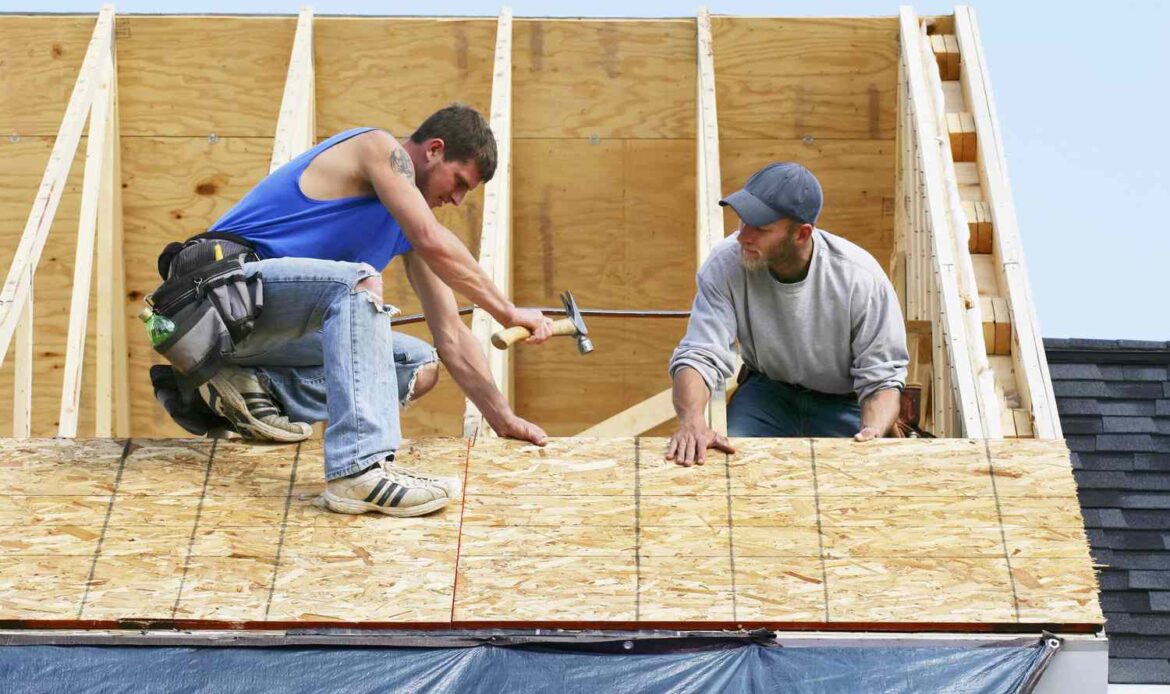
Repairs Add Up
Small patchwork repairs can be smart on younger roofs, but late-stage roofs often need repeated fixes. Over two or three seasons, you can spend more on leak chases and interior patching than the delta between repair and replacement.
Insurance Implications
- Coverage limits: Many policies cover sudden damage (wind, hail) but not wear-and-tear. If an adjuster finds the roof was beyond its service life, claims for related interior damage may be denied.
- Deductibles and exclusions: Filing multiple small claims can raise premiums. Some carriers require roofs to be within a certain age for full replacement cost coverage.
Economic Impact of Waiting
- Escalating material costs: Asphalt and metal prices move with oil and steel markets. Delaying can mean higher prices later.
- Hidden wood damage: Wet decking and fascia add carpentry charges to any future project.
- Energy waste: Leaky roofs and poor ventilation increase heating and cooling costs, especially in Upstate NY where winters are long.
When a roof is past its prime, investing in a full roof replacement often costs less over five to ten years than continuous patching and the hidden damage that follows.
What Does a New Roof Cost in the Capital Region?
Costs vary by home size, roof complexity, material choice, and wood repair needs. Use the ranges below as a planning guide, not an exact quote.
Cost Ladder (Installed, Typical Local Ranges)
| Home size & complexity | Architectural asphalt | Standing seam metal | Low-slope/flat (TPO/EPDM) |
|---|---|---|---|
| Small ranch (1,200–1,600 sq ft), simple roof | $9,000–$14,000 | $22,000–$35,000 | N/A |
| Two-story colonial (1,800–2,400 sq ft), moderate complexity | $13,000–$21,000 | $30,000–$50,000 | N/A |
| Large or cut-up roof (2,500–3,500 sq ft), steep/gables/valleys | $20,000–$35,000+ | $45,000–$75,000+ | N/A |
| Low-slope/flat residential (1,000–2,000 sq ft) | N/A | N/A | $10,000–$24,000 |
Line items that move the needle: skylights, chimney rebuilds or flashing, multiple layers to tear off, rotten decking replacement, steep or high-access areas, and upgraded ventilation systems.
Roof Lifespan by Material in Upstate NY
Real-world lifespan depends on installation quality, ventilation, and climate exposure. Here are typical ranges for our region.
| Material | Typical service life (Upstate NY) | Key variables |
|---|---|---|
| Architectural asphalt shingles | 18–28 years | Ventilation, south-facing slopes, ice dam history |
| Standing seam metal (steel/aluminum) | 40–60+ years | Coating quality, fastener system, underlayment |
| Low-slope/flat (TPO/EPDM) | 18–30 years | Drainage, seams, traffic on roof |
Roofs on open ridgelines that take direct wind, or roofs shaded by tall trees that hold snow longer, trend toward the lower end of these ranges.
Storm and Snow Realities in Upstate NY
- Wind uplift: Gusts can peel shingles if nails missed the strip or decks are spongy. Look for missing tabs and lifted edges after storms.
- Ice dams: Warm air leaks melt snow, which refreezes at eaves. Water backs up under shingles. Fix the root causes: ventilation, air sealing, and eave protection.
- Snow load: Heavy, wet snow stresses rafters. Chronic sagging suggests structural evaluation.
- Freeze-thaw cycles: Daily swings above/below freezing pry apart weak seals.
- Hail: Less frequent than in the Midwest, but hail does occur. Look for bruised shingles and loss of granules in gutters.
Energy Efficiency, Ventilation, and Comfort
A roof replacement is the best time to correct heat and moisture issues.
- Intake and exhaust: Balanced soffit intake and ridge exhaust keeps attics cold in winter and cooler in summer, extending shingle life.
- Air sealing: Seal top plates, bath fans, and can lights before new insulation. This reduces ice dams.
- Insulation: Target R-49 to R-60 in most attics here. Proper baffles maintain airflow from soffits.
- HVAC impact: Better attic conditions reduce heating cycles in winter and AC runtime in summer.
Curb Appeal and Resale Value
- Buyer confidence: A new roof removes an immediate negotiation lever for buyers and appraisers.
- Marketability: Fresh architectural shingles or clean standing seam metal boost photos and drive-by appeal.
- Return on investment: National data often shows roofing among top exterior projects for resale value retention.
Warning Signs You Shouldn’t Ignore

- Granule loss: Check downspouts and gutters. Bald spots speed UV damage.
- Curling or cupping shingles: Usually age, heat, or inadequate ventilation.
- Soft decking: Spongy feel underfoot or from the attic indicates rot.
- Chronic leaks: Reappearing stains near valleys, skylights, or chimneys.
- Sagging ridge line: Possible structural concern. Get a pro evaluation.
- Attic symptoms: Frost on nails in winter, musty smell, or visible daylight.
Repair vs. Replace: A Practical Framework
Use lifecycle logic rather than short-term fixes.
| Condition | Typical action | Reasoning |
|---|---|---|
| Roof under 10 years, isolated damage (1–2 leaks) | Repair | Material still young; targeted fixes hold. |
| Roof 12–18 years, recurring leaks, granule loss | Leaning replace | Patching stacks up; deck likely compromised. |
| Roof 18+ years, multiple problem areas | Replace | End of service life; best total cost of ownership. |
| Severe ventilation/ice dam issues | Replace with vent upgrades | Fix root causes during reroof. |
| Sagging/deck rot | Replace + carpentry | Safety and structure first. |
When in doubt, compare a multi-year repair budget to the cost of a full roof replacement. Factor in energy savings, reduced risk, and resale benefits.
Materials and Upgrade Options
Architectural Asphalt Shingles
- Best overall value for most homes.
- Many colors and profiles; good wind ratings when installed to spec.
- Pair with ice-and-water shield at eaves and valleys, synthetic underlayment, and a ridge vent.
Standing Seam Metal
- Long lifespan and excellent snow-shedding.
- Sleek look that fits colonials, farmhouses, and modern homes.
- Higher upfront cost; lower maintenance over time.
If you are considering metal, review this local guide to metal roofing services near you to understand panels, coatings, and fastener systems.
Flat/Low-Slope Options (TPO/EPDM)
- Best for porches, dormers, and contemporary designs with low pitch.
- White TPO reflects heat; EPDM is durable and proven.
- Critical: proper drainage, tapered insulation, and clean flashing work.
Before choosing materials, avoid common pitfalls by reading about the top mistakes homeowners make during roofing projects. It will help you plan the right scope and ask better questions.
Permits, Workmanship, and Warranties
- Permits: Many Capital Region municipalities require a building permit for a reroof. A reputable contractor handles the application and inspection scheduling.
- Code requirements: Ice-and-water shield is typically required at eaves (often to 24 inches inside the warm wall), plus valleys and penetrations. Proper ventilation is not optional.
- Manufacturer warranties: Shingle warranties vary by line; enhanced warranties often require certified installers and a full system (starter, underlayment, ridge).
- Workmanship warranty: Look for a clear, written labor warranty (often 5–10 years). Ask what is covered and how service calls are handled.
Albany NY roofing company
Choosing a local contractor matters. Crews that work year-round in Albany, Schenectady, Troy, Saratoga, and surrounding towns know the wind patterns, common snow issues on certain roof pitches, and local code details. They also have established relationships with building departments and suppliers, which helps projects run on schedule.
When you interview a company, ask about their process for cold-weather installs, ice-dam prevention details, and how they protect landscaping during tear-off. Local experience shows in those answers.
The Step-by-Step Roof Replacement Process
1) Inspection and Proposal
- Exterior check: Shingle condition, flashing, chimney, skylights, gutters.
- Attic check: Deck moisture, ventilation, insulation, and bath fan venting.
- Scope: Tear-off, underlayment, ventilation plan, wood replacement allowance, material selections, schedule, and warranty terms.
2) Scheduling and Permits
- Permit application filed if required.
- Material order placed; lead times confirmed.
3) Tear-Off and Decking Repairs
- Old layers removed to the deck.
- Bad plywood or boards replaced. Photos are taken for documentation.
4) Underlayment and Flashing
- Ice-and-water at eaves, valleys, and penetrations.
- Synthetic underlayment on remaining deck.
- New flashing at chimneys, walls, and skylights; boots at pipes.
5) Installation
- Starter shingles, field shingles (or metal panels), then ridge.
- Ventilation installed and balanced.
- Details: clean nail lines, correct fastener depth, straight courses.
6) Cleanup and Final Inspection
- Magnet sweep for nails, debris removal, gutters cleared.
- Walkthrough and warranty documents provided.
Here is how a professional roof replacement feels to you as a homeowner: clear communication on start times, a protected work area, daily cleanup, and a tidy final result.
Homeowner Preparation Checklist
- Move vehicles from the driveway the night before.
- Clear patio furniture near eaves; cover gardens if requested.
- Take items off walls and shelves that could rattle.
- Mark or fence prized shrubs.
- Confirm power access and any pet needs with the crew lead.
Financing and Budgeting
- Set a contingency: Plan 10–15% for unexpected wood repairs or ventilation upgrades.
- Financing options: Many homeowners use home improvement loans, HELOCs, or contractor-facilitated financing. Ask about terms and prepayment.
- Phased upgrades: If budget is tight, prioritize watertightness and ventilation now. Cosmetic add-ons can wait.
When to Get a Professional Inspection
- After a windstorm: Missing shingles or loose flashing warrants a check.
- When you see stains: Attic or ceiling stains should be evaluated before they spread.
- Before selling: A clean inspection report and proof of work calm buyer concerns.
- Every 2–3 years after year 12: Aging roofs benefit from regular eyes-on assessments.
How to Evaluate Proposals and Spot Red Flags
What a Strong Proposal Includes
- Full tear-off vs. overlay (tear-off is best for most older roofs).
- Underlayment plan: ice-and-water, synthetic felt, coverage areas.
- Flashing details: chimney, step flashing, wall and skylight solutions.
- Ventilation math: intake and exhaust balance.
- Deck repair allowance and unit pricing for extra sheets/boards.
- Exact shingle/metal line, color, and accessories.
- Timeline, daily start/stop times, and cleanup commitments.
- License/insurance, permits, warranties, and payment schedule.
Red Flags
- Cash-only or vague pricing.
- No mention of ventilation or ice-and-water shield.
- Refusal to pull permits when required.
- Pressure to overlay over failing shingles.
- Unwillingness to provide references or photos of recent local work.
FAQ
How long does a typical asphalt reroof take?
Most single-family asphalt projects take 1–3 days, depending on size, complexity, and wood repairs. Metal often takes longer due to fabrication details.
Can you replace a roof in winter in Upstate NY?
Yes, with the right crew and weather windows. Shingle sealing may be slower, but nails and underlayment provide primary hold. Extra care is taken to keep surfaces dry.
Do I have to replace gutters too?
Not always. Many gutters can stay. If they are failing or poorly pitched, consider replacing them during the reroof to align with new drip edge and flashing.
What if only one area leaks?
If the roof is relatively young, a repair may be fine. On older roofs, a localized fix may not last, and matching shingles can be difficult. Evaluate age and overall condition.
Will my yard be protected?
Ask how the crew protects landscaping, decks, and AC units. Expect tarps, plywood guards where needed, and magnet sweeps for nails.
How many shingle layers can stay?
Local code and best practice favor full tear-off. Overlays add weight, trap heat, and hide deck damage. Tear-off allows proper ice-and-water and ventilation upgrades.
What ventilation upgrades should I expect?
Continuous soffit intake and a ridge vent on most pitched roofs. Gable vents may supplement but do not replace balanced intake/exhaust.
What’s the best color for resale?
Neutral, region-friendly colors (charcoal, weathered wood, dark gray) appeal to most buyers and show well across seasons.
Conclusion
Replacing an aging roof protects your home from leaks, prevents mold and structural damage, improves comfort and energy use, and boosts curb appeal and resale confidence. With a clear scope, the right materials, and a crew that understands Upstate NY weather, you get a durable system that performs through snow, wind, and summer heat. If you’re ready for straight answers and a thorough proposal, connect with Elite Contracting and get your roof project done right.