

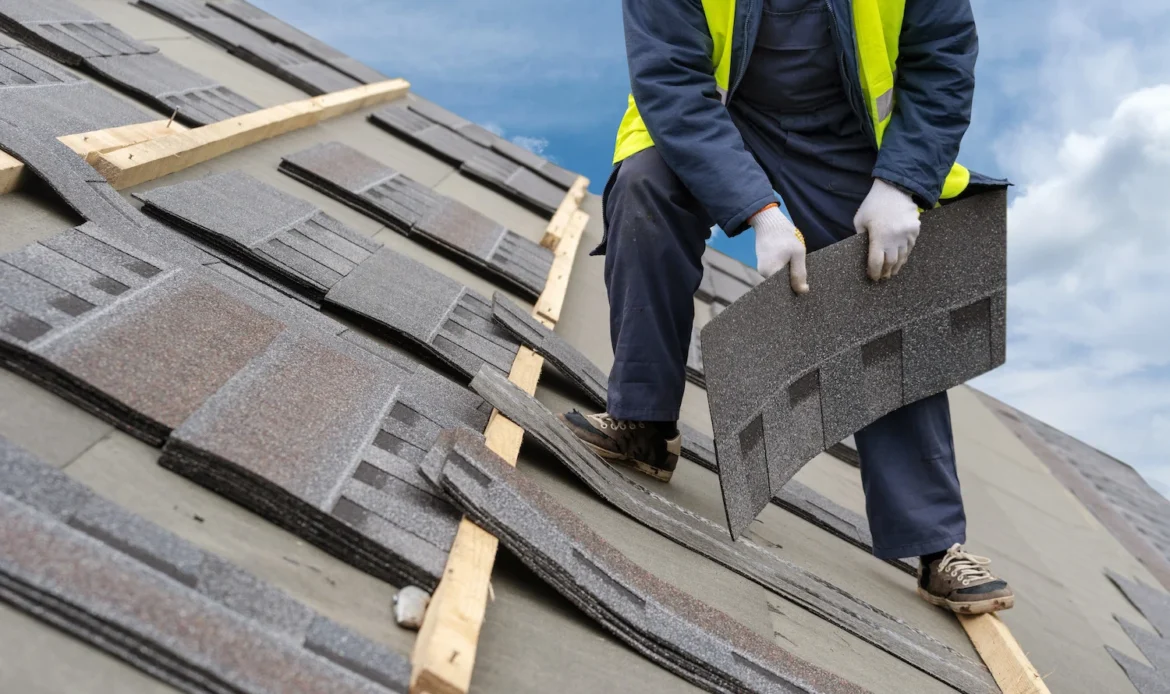
Upstate NY puts roofs to the test. Heavy lake-effect snow, ice dams, freezing rain, high winds, and wide temperature swings stress every seam, nail, and flashing. A roof that is fine in late summer can leak in January. Getting your new roof done right is not just about curb appeal. It’s about protecting your home during real Northeast weather.
Proper roofing installation supports your home’s structure, seals out water, and manages ventilation so your attic stays dry and efficient. It also avoids callbacks, headaches, and warranty denials. If you want a clear, local, and practical roadmap for your project, you’re in the right place. When you’re ready for an estimate or a second opinion, you can reach out to Elite Contracting.
You may be asking: How long will it take? How loud will it be? What gets protected? Which materials actually hold up in our climate? Below is a straightforward guide you can use to plan, budget, and set expectations—from the first inspection to the final sweep and sign-off.
Working with reliable roofing contractors near me helps you avoid common installation mistakes that shorten a roof’s lifespan in Upstate NY. Local crews understand how snow loads, attic humidity, and freeze–thaw cycles affect underlayment, shingle adhesion, and ventilation. Their experience ensures your system is built to handle real Northeast weather, not just mild-season conditions.
What Proper Installation Achieves
Good workmanship is the difference between a roof that lasts 10 years and one that lasts 25+. Here’s what a correct install delivers in Upstate NY:
- Structural integrity: Correct nailing patterns, proper decking support, and balanced ventilation reduce stress on the frame and help prevent sagging or premature failure.
- Moisture defense: Ice and water shield in valleys and eaves, correct flashing at chimneys and skylights, and sealed penetrations keep meltwater and wind-driven rain out.
- Long-term performance: Proper underlayment, correct shingle exposure, and ridge-to-soffit airflow push moisture out and extend shingle life.
- Winter reliability: Details that matter here—enhanced ice barrier coverage at eaves, starter courses, closed-cut valleys—reduce ice dam risk.
- Warranty protection: Manufacturers require specific installation steps. Following them keeps warranties valid.
Material Options That Work in Upstate NY

Most homeowners here choose asphalt shingles, especially architectural (dimensional) shingles. Metal roofing also performs well in our climate when installed with the right snow guards and details. Here’s a quick comparison:
| Material | Typical Lifespan | Weather Strengths | Considerations | Best Fit |
|---|---|---|---|---|
| Architectural Asphalt Shingles | 20–30 years | Good wind and impact rating; strong value | Needs proper ice barrier; ventilation sensitive | Most homes; good cost-performance balance |
| GAF Architectural Shingles | 25–50 years (depending on product) | Robust wind ratings; enhanced algae resistance | Follow GAF system specs for best warranties | Homeowners wanting brand-backed warranties and looks |
| Metal (Standing Seam or Ribbed) | 40–60+ years | Excellent snow shedding; high wind performance | Higher initial cost; snow management needed | Long-term owners; complex roofs; snow country |
Want brand-specific details on a popular option? See this overview of GAF shingles and contractor qualifications.
roofing installation
Here’s the step-by-step process you can expect on a well-run project in the Capital Region.
1) Inspection and Consultation
- Exterior review: Roof planes, valleys, penetrations, chimney flashing, gutters, fascia/soffits, siding tie-ins.
- Attic check: Ventilation (soffit and ridge), insulation depth, signs of condensation, deck condition from below.
- Photos and notes: Areas with granular loss, raised nails, soft decking, or past patchwork.
Deliverable: A clear scope describing what will be replaced, how ventilation will be improved, and which upgrades are recommended for winter performance.
2) Measurement and Material Planning
- Accurate measurement: Total squares (100 sq. ft. per square), waste factor for valleys/hips, and steepness.
- Material selections: Shingle line and color, underlayment types, ice-and-water coverage, ridge vents, boots, drip edge, flashing metals.
- Accessory choices: Ridge caps, starter strips, intake vents if soffits are blocked.
Deliverable: A line-item materials list and a written plan for the ventilation path from soffit to ridge.
3) Permits and Scheduling
- Permits: Many localities require permits for roof replacement.
- Scheduling: Target a clear weather window; plan around wind advisories and multi-day rain systems common in spring and fall.
- Neighbor and HOA coordination: Share project dates to manage parking and access.
4) Site Prep and Protection
- Protection: Tarps on landscaping, plywood against siding, magnet sweep zones identified, and a clear material staging area.
- Dumpster placement: Off the driveway center if possible to protect asphalt; use boards to distribute load.
- Safety: Harnesses, toe boards on steep slopes, and marked work zone.
5) Tear-Off
- Remove all existing layers: Strip down to clean wood decking. Multiple layers are common in older homes; full removal allows proper inspection.
- Dispose responsibly: Keep nails contained; frequent magnet sweeps reduce yard risk.
6) Deck Inspection and Repairs
- Inspect sheathing: Replace rotten or delaminated plywood and any planks with excessive gaps.
- Nail and re-secure: Ensure every seam is fastened to eliminate future squeaks or movement.
7) Underlayment and Ice Barrier
- Drip edge: Install at eaves first, then underlayment, then drip edge at rakes.
- Ice and water shield: Typically 3–6 feet from eaves depending on overhang and code, plus valleys, penetrations, and around chimneys.
- Synthetic felt: Cover remaining deck with a high-quality synthetic underlayment for durable secondary protection.
8) Flashing, Ventilation, and Details
- Flashing: Step flashing at sidewalls, counterflashing at chimneys, and proper saddle/cricket where needed.
- Ventilation: Install continuous ridge vent and ensure open soffit intake; add baffles if insulation blocks airflow.
- Penetrations: Replace all pipe boots and seal with compatible products.
9) Shingle or Metal Application
- Starter course: Proper adhesive edge aligned at eaves and rakes.
- Nailing: Correct nail count and placement per manufacturer and wind rating.
- Valleys and hips: Follow closed-cut or woven method as specified; metal valley flashing where appropriate.
- Ridge caps: Install last with even alignment and correct exposure.
10) Cleanup and Disposal
- Ground sweep: Magnets over lawn, beds, and driveway; remove tarps without dumping debris into beds.
- Gutter check: Clear granules and nails from gutters and downspouts.
11) Final Quality Check and Homeowner Walkthrough
- Quality checklist: Nailing patterns, flashing seals, ridge/hip lines, ventilation components, and attic re-check for daylight or leaks.
- Documentation: Photos of hidden details (flashing, ice barrier), warranty registration steps, and final invoice with itemization.
Homeowner Day-of Checklist
- Move cars out of the driveway and garage.
- Take down wall art or items on shelves that could vibrate loose.
- Cover items in the attic if decking gaps are present.
- Secure pets and plan for noise from 7 a.m.–5 p.m.
- Mark sprinkler heads and fragile landscaping.
- Confirm power outlets available for tools.
Typical Timeline
| Roof Size/Complexity | Typical Duration | Notes |
|---|---|---|
| Up to 20 squares, simple gable | 1 day | Weather cooperative; crew of 5–7 |
| 20–35 squares, multiple valleys | 1–2 days | Extra time for flashings and valleys |
| 35+ squares or complex roofs | 2–3 days | Chimneys, skylights, steep slopes |
If you prefer a quick primer before meeting a contractor, here’s another helpful overview of roofing installation.
Timing, Weather, and Seasonal Planning in Upstate NY

Roof work can be done March through November in most years, with peak efficiency from late April to early November. Cold-weather installs are possible, but seal strips on shingles may need warm days to fully bond.
| Season | Pros | Cons | Tips |
|---|---|---|---|
| Late Spring (May–June) | Stable weather; good availability | Early heat waves can arrive | Book 4–6 weeks ahead |
| Summer (July–August) | Fast cure times; longer daylight | Heat on roof increases worker fatigue | Schedule morning start; plan shade/water |
| Early Fall (Sept–Oct) | Ideal temps; reliable bonding | Popular time; schedules fill fast | Book early; good for last-minute projects |
| Late Fall (Nov) | Still workable on mild days | Short daylight; cold snaps | Watch forecasts; allow buffer days |
Pro tip for winter: If a leak shows up in January, temporary patches can stabilize the area until a full replacement in spring. Talk with your contractor about safe cold-weather practices and what can wait for better conditions.
Repair or Replace? How to Decide
Not every problem needs a full replacement. Use this logic to decide:
- Age: If your roof is 18–25 years old and showing consistent granular loss or curling, replacement likely makes sense.
- Leak count: One isolated leak at a flashing is often fixable. Multiple leaks across planes point to systemic aging.
- Decking condition: Soft spots or widespread nail pops suggest underlayment and deck issues that favor replacement.
- Wind damage: Missing shingles in several areas can justify insurance claims and replacement, depending on policy.
If you’re on the fence, read more about the benefits of roof repair and where it makes sense in our climate.
Choosing a Contractor: What Matters and What to Avoid
Green Flags: What Good Contractors Provide
- Proof of insurance and workers’ compensation.
- A written scope with exact products, underlayments, and ventilation plan.
- Photos of problem areas and proposed fixes.
- Clear schedule and on-site crew lead you can contact.
- Warranty terms in writing, including workmanship and manufacturer coverage.
Red Flags
| Red Flag | Why It Matters | Better Alternative |
|---|---|---|
| Vague proposal (“replace roof”) | No detail on underlayment, flashing, or ventilation | Get a line-item scope and materials list |
| No attic check | Missed ventilation or moisture issues | Require an attic inspection and photos |
| Cash-only or no permit | Risky; may violate local rules | Confirm permit requirements and payment schedule |
| Lowest bid by a wide margin | Often skips materials or labor quality | Compare apples-to-apples specs |
A professional will gladly explain why each component is specified, how it handles snow and ice, and how the system keeps your warranty valid. Ask them to point to code references and manufacturer bulletins when needed. If they can’t, keep looking.
If you want a simple definition you can share with a spouse or neighbor, here’s one: roofing installation is the full-system process of removing the old roof, repairing the deck, and building a weather-tight assembly that meets manufacturer specifications and local code, especially for ice and wind in Upstate NY.
Budgeting and Financing Basics
Costs vary by size, pitch, layers to remove, number of valleys/penetrations, and product line. Below are ballpark ranges for the Capital Region (as of recent typical projects):
- Basic architectural asphalt for an average home (20–25 squares): Often $10,000–$16,000.
- Mid-grade architectural with upgraded underlayments/ice shield and added ventilation: Often $14,000–$22,000.
- Premium asphalt systems or starter-to-ridge enhanced packages: Often $18,000–$30,000+.
- Metal (standing seam) for average home: Often $28,000–$50,000+ depending on details.
Cost Ladder: What You Get at Each Tier
| Tier | What’s Included | When It’s Right |
|---|---|---|
| Good | Architectural shingles, standard synthetic underlayment, ice shield at eaves, new boots, ridge vent | Budget-focused, simple roof geometry |
| Better | Upgraded underlayments, extended ice shield (valleys/penetrations), enhanced ridge/soffit ventilation, metal flashing upgrades | Most Upstate NY homes; good winter protection |
| Best | Premium shingle lines or metal, maximum ice/water coverage in critical areas, advanced ventilation, extended workmanship warranty | Forever homes, complex roofs, harsh microclimates |
How to Prioritize Within a Budget
- Don’t cut flashing and ice barrier: These are the biggest leak stoppers in winter.
- Ensure proper ventilation: It protects shingle life and reduces condensation/ice dams.
- Use synthetic underlayment: Better tear resistance during install and better long-term protection.
- Pick a durable shingle line: Mid-tier architectural shingles often give the best value.
- Consider financing for upgrades that add lifespan and reduce risk. A few hundred dollars can prevent thousands in damage later.
Why Good Installation Matters Beyond the Look
- Warranty validity: Manufacturers require specific steps. Miss them and claims may be denied.
- Energy and comfort: Balanced attic ventilation reduces summer heat and winter condensation, supporting efficient HVAC performance.
- Home value: A documented, code-compliant roof with transferable warranties helps appraisal and buyer confidence.
- Fewer disruptions: A leak-free system means fewer emergency visits and better peace of mind during storms.
If you’re explaining the value to a family member, point to the quiet benefits: dry attic insulation, no musty smells, cleaner soffit lines, and lower risk of winter leaks. That’s what a correct system delivers.
Quality Control: What You Should See Before Final Payment
- Straight lines and uniform exposures on shingle courses and ridge caps.
- Metal edge trim tight and aligned; no gaps at corners.
- Proper step flashing at sidewalls with counterflashing where needed.
- Sealed nail heads where exposed (on flashings, not on shingle faces).
- Ridge vent continuous and secured, with matching ridge caps.
- Attic check: No new daylight where there shouldn’t be; no loose debris.
- Ground is clean; magnet sweep done; gutters cleared.
- Warranty paperwork and product list provided.
Still building your understanding? You can also read a short, general explanation of roofing installation and how each layer works together.
FAQ: Straight Answers for Upstate NY Homeowners
How loud will the project be?
It’s loud during tear-off and when nailing. Expect consistent noise from 7 a.m. to late afternoon. Plan calls and naps accordingly.
Will my yard be protected?
It should be. Crews should tarp landscaping, use plywood where needed, and sweep with magnets. Ask where the dumpster and material staging will go.
Can you install in cold weather?
Yes, with care. Some shingles need warm days to fully bond. Installers use hand-sealing when required. Scheduling in a mild window helps.
Do I need to be home?
No, but being available by phone helps. Plan to be present for the final walkthrough if possible.
How do I know if ventilation is right?
Your plan should show open soffit intake and a ridge vent, with baffles if insulation blocks airflow. Your attic should feel drier and less hot after the upgrade.
What if rain is forecast?
Responsible crews watch radar and only tear off what they can dry-in the same day. They should have tarps on hand and a clear weather plan.
Will my satellite dish or solar be an issue?
Dishes can be reinstalled or relocated. Solar requires coordination with your solar company. Plan extra time for that step.
What about plywood replacement costs?
Many contracts include a set number of sheets at a fixed price per sheet beyond that. Ask for the unit price in advance.
Putting It All Together
A successful roof project in Upstate NY is simple to manage when you know the steps: a thorough inspection, a clear materials plan, correct underlayments and flashing, careful ventilation, and a clean, documented finish. Protect the details that matter most in our climate: ice and water shield in the right places, smart ventilation, and proper flashing at every wall and chimney.
If you’re ready to price your project or want a no-pressure assessment of your current roof, contact Elite Contracting. Use this guide as your checklist during the visit, and ask the crew lead to walk you through photos of the details you can’t see from the ground.