

When you need roof work in the Capital Region, you start hearing two terms that sound the same: roofing company and roofing contractor. They are not the same, and the difference affects your price, warranty, scheduling, and risk. Misunderstanding these roles can lead to delays, surprise costs, or a roof that does not last through Upstate NY winters.
You want the fastest, safest path to a watertight home. That means choosing the right type of provider for your job, your budget, and your timeline. Below, you will learn exactly what each provider does, how they are licensed and insured in New York, who manages your project, when to hire each, and how to compare bids with confidence. If you prefer working with a local team that handles everything start to finish, you can also talk with Elite Contracting about your options.
Getting estimates from reputable roofing contractors near me helps you understand who is actually qualified to diagnose problems and deliver a long-lasting repair or replacement. Local contractors know how Upstate NY snow loads, wind patterns, and freeze–thaw cycles stress different roofing systems. Their experience makes it easier to compare bids accurately, avoid unnecessary upsells, and choose the provider best suited for your home’s needs.
By the end, you will know how to match your roof need—repair or replacement, shingle or metal, flat or steep—to the right pro in Albany, Saratoga, Schenectady, Troy, or anywhere in between.
What is a roofing contractor?
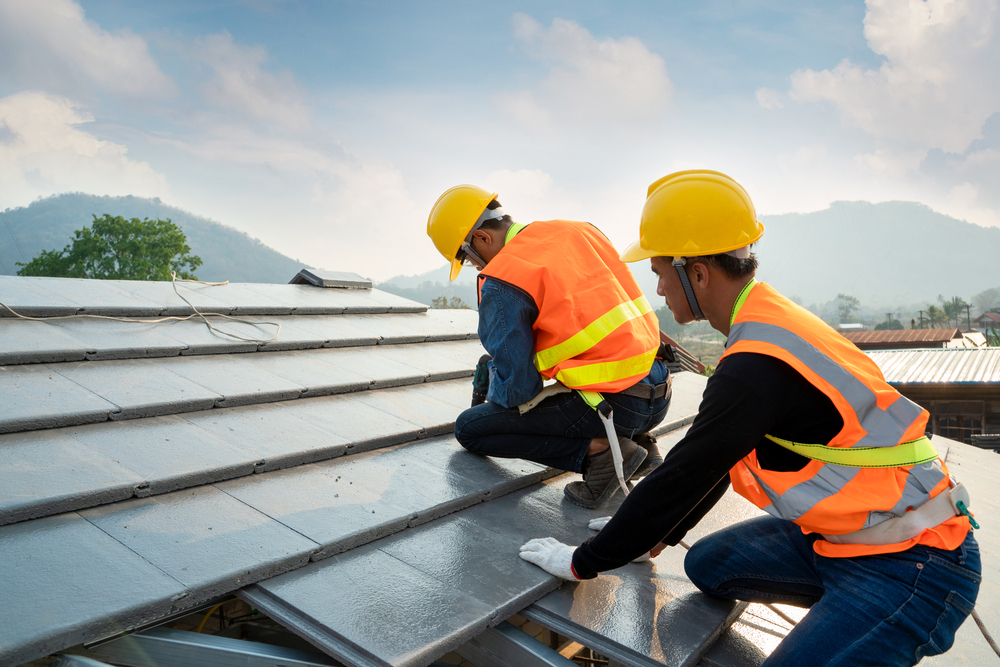
A roofing contractor is an individual tradesperson or small crew that installs, repairs, or replaces roofs. Many are sole proprietors who quote work, buy materials, and perform the labor themselves. Others may bring in a few helpers or subcontractors for larger tasks.
Typical traits
- Business size: One person to a small team
- Structure: Independent, sometimes subcontracting for larger firms
- Scheduling: Flexible but dependent on owner’s availability
- Project management: Handled by the contractor; limited office support
Common jobs for contractors
- Small to medium repairs (leaks around chimneys, flashing, a few missing shingles)
- Localized storm damage fixes
- Simple replacements on straightforward gable roofs
- Emergency tarping and temporary patches
Pros and cons
- Pros: Often lower overhead, personal service, quick scheduling for small jobs
- Cons: Limited warranty options, may rely on subcontractors, fewer resources for complex roofs or insurance claims
roofing company
A roofing company is a larger, full-service business with in-house crews, office staff, project managers, and established vendor relationships. They can handle everything from inspection and estimating to permitting, installation, and final cleanup on projects of any size.
Typical traits
- Business size: Multiple crews and dedicated office support
- Structure: Full-time employees with specialized roles (estimators, project managers, installers)
- Scheduling: More predictable; multiple crews allow better coverage
- Project management: Dedicated managers oversee quality, safety, and timeline
Common jobs for companies
- Full roof replacements (asphalt shingles, metal, or flat systems)
- Complex roofs with valleys, dormers, and penetrations
- Insurance claims and storm restoration
- Manufacturer-certified installs enabling enhanced warranties
Pros and cons
- Pros: Stronger warranties, standardized quality control, better safety practices, higher capacity for big or complex jobs
- Cons: May have higher pricing due to overhead, schedules can book out during peak seasons
When should you hire each?
Hire an independent roofing contractor when:
- You have a small leak or isolated repair
- Your roof is newer but needs minor maintenance
- You want a quick patch before winter storm season
- Your roof design is simple and the fix is straightforward
Hire a full-service company when:
- You need a full replacement, especially on a complex or steep roof
- You want manufacturer-backed warranties and registered installations
- You are handling an insurance claim and need documentation and coordination
- Multiple trades are involved (roof, gutters, skylights, ventilation upgrades)
- You want consistent quality standards and a clear project manager
Quick selector: match your need to the right pro
| Your situation | Best fit | Why |
|---|---|---|
| 1–3 missing shingles after wind gusts | Independent contractor | Fast, low-cost repair without full mobilization |
| 20+ year-old roof with curling shingles | Full-service company | Replacement plus warranty registration |
| Ice dam damage at eaves, recurring leaks | Full-service company | Roofing plus ventilation/insulation upgrades |
| Leaky flashing around a chimney | Independent contractor | Targeted repair and re-flashing |
| Flat roof ponding and seams failing | Full-service company | System selection, proper taper, manufacturer specs |
Key differences that affect your project
| Factor | Independent roofing contractor | Full-service roofing company |
|---|---|---|
| Licensing | New York has no statewide roofing license; licensing is local. Many contractors register with the city/county where they work. | Same rules, but companies more often have documented licensing/registrations across multiple municipalities. |
| Liability & insurance | Should carry general liability and workers’ comp. Verify both and get certificates listing you as certificate holder. | Typically well-documented coverage and safety protocols; easier to verify. |
| Size & scope | Best for small repairs and simple replacements. | Equipped for complex roofs, larger crews, and multi-day projects. |
| Project management | Owner manages all details; communication is direct but bandwidth can be limited. | Dedicated project manager, scheduling team, and field supervisors. |
| Warranties | Basic labor warranty; limited manufacturer coverage if not certified. | Access to enhanced manufacturer warranties and registered installations. |
| Subcontractors vs. in-house crews | May bring in subs during busy times. | Often uses trained in-house crews; subs used selectively with oversight. |
| Quality control | Depends on the individual’s craftsmanship and time on site. | Standardized install checklists, inspections, and safety systems. |
| Scheduling | Flexible for small jobs; longer wait for big jobs. | Multiple crews help maintain timelines, even in peak season. |
Benefits of hiring a full-service roofing company
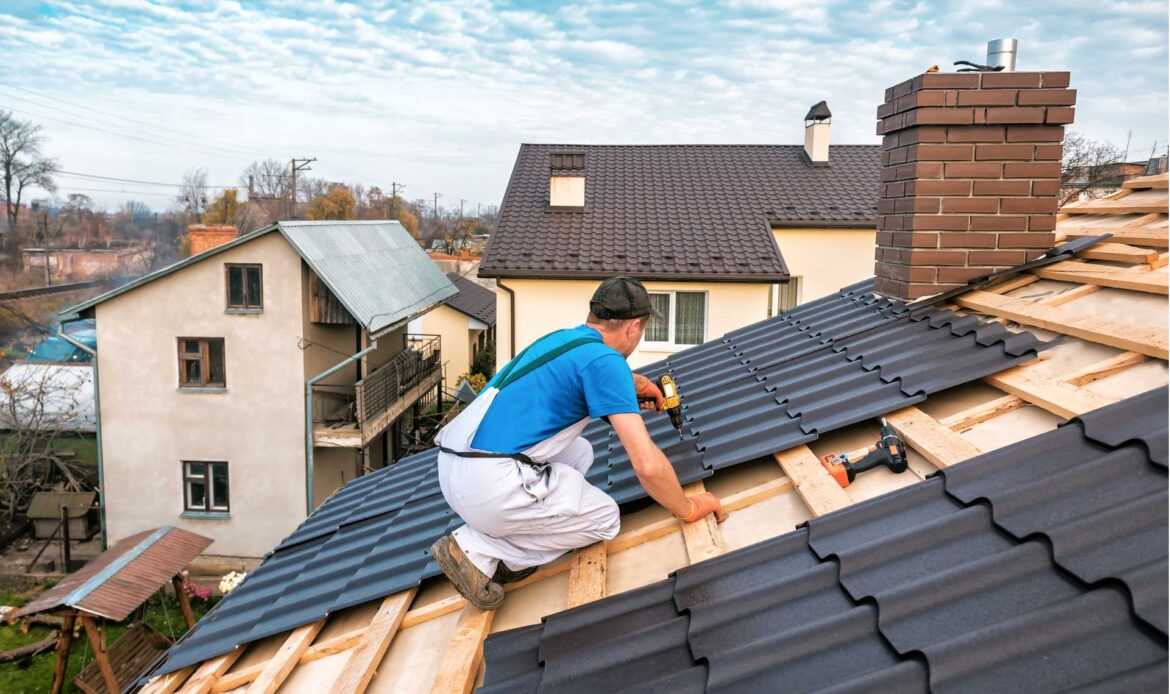
Streamlined communication
A roofing company assigns a single point of contact. You know who to call about start dates, material delivery, and any change orders. This is valuable during storm season when schedules are tight.
Consistent quality standards
- Install checklists followed on every job
- Standard flashing details and ventilation practices
- Training and safety protocols for steep-slope and winter conditions
Greater accountability
- Written contracts and clear scopes
- Workmanship warranties in writing
- Manufacturer certifications that require the installer to meet ongoing standards
Added advantages for Upstate NY homes
- Better planning around snow, freeze-thaw cycles, and wind gusts along the Hudson and Mohawk valleys
- Capacity to stage materials and tarps quickly if weather changes
- Crew size to complete tear-off and dry-in in one day on many homes, reducing exposure to rain
Understanding services based on roof type
Different roofs need different skills, especially in Upstate NY where winter and shoulder seasons are tough on materials. Here is how to think about provider choice by roof type.
Asphalt shingles
- Most common in the Capital Region
- Good-better-best options: 3-tab, architectural, and premium impact-resistant shingles
- Key details: ice and water shield at eaves and valleys, proper ventilation, starter strips, and ridge caps
If you are planning a seasonal upgrade, see what timing looks like for a spring roof replacement in Latham so you can avoid peak summer backlogs and heat-related installation issues.
Metal roofing
- Standing seam and metal shingles perform well against snow and ice
- Requires precise flashing and trim details, especially around dormers and penetrations
- Good choice for long-term durability and energy performance
Compare materials and service life using this metal vs. asphalt shingles guide to decide if metal’s longer lifespan fits your budget and plans.
Work with a roofing company experienced in metal fabrication, snow retention systems, and eave heating cable options if needed.
Flat and low-slope roofs
- Materials: modified bitumen, TPO, EPDM
- Critical details: tapered insulation to prevent ponding, welded seams, and perimeter edge metal
- Common on porches, additions, and certain mid-century homes in Niskayuna and Colonie
Flat systems demand careful planning and manufacturer-specific installation steps. Larger teams often handle these best due to equipment needs and safety requirements.
Checkpoints to evaluate your roofing needs
Use this quick checklist before you call providers. It helps you decide if you need a repair, a replacement, and which type of pro to contact first.
Homeowner roof checklist
- Age of roof: Asphalt roofs in Upstate NY often last 18–25 years. Metal roofs can last 40–70 years. Flat roofs vary by system (15–30 years).
- Visible damage: Missing shingles, lifted shingles, granules in gutters, cracked pipe boots, failing flashing, or soft plywood spots.
- Leaks or stains: Attic moisture, ceiling stains after heavy rain, or ice dam leaks in winter.
- Warranty status: Check paperwork. An existing warranty may require a specific process or certified installer for repairs.
- Frequency of repairs: More than two repairs in two years often signals end-of-life for shingles.
- Ventilation and ice dams: Recurring ice dams suggest inadequate attic insulation/ventilation and may need a broader fix than a patch.
Results:
- Minor, isolated issue: Call an independent contractor for a repair quote.
- Widespread wear or multiple leaks: Get full replacement quotes from a full-service team.
- Ice dams, attic moisture, or ventilation issues: Choose a coordinated approach from a larger team that can address the root cause.
How to compare providers
Proposal checklist (what your quote should include)
- Exact scope: Tear-off vs. overlay, deck repairs, and number of sheets of plywood included
- Materials: Brand, line, color, underlayments, ice and water shield coverage, flashing metals, ventilation components
- Details: Valley method, starter course, ridge vent type, chimney/pipe flashing approach (new vs. reuse)
- Clean-up: Dumpster placement, magnet sweep, property protection plan
- Timeline: Start date window, daily start/stop times, target completion
- Warranty: Labor warranty length and what triggers manufacturer warranty coverage
- Payment terms: Deposit amount, progress payments, and final payment upon completion
Red flags
- No proof of workers’ comp and general liability insurance
- Only verbal estimates—nothing in writing
- Pressure to pay large cash deposits up front
- Vague descriptions like “premium underlayment” without brand or spec
- Unwilling to pull permits if your municipality requires them
- No local references within the Capital Region
What to verify before signing
- Insurance certificates with your name listed as certificate holder
- Local registration or licensing if your municipality requires it
- Manufacturer credentials if you want enhanced warranties
- Jobsite supervision plan and daily communication method
- Exact warranty documents and who registers them
Ask each roofing company for a sample contract and warranty before you commit. A complete package is a sign of a well-run operation.
Cost, timeline, and warranty expectations in Upstate NY
Typical cost drivers
- Roof size and complexity (valleys, dormers, skylights)
- Material choice (standard architectural shingle vs. premium or metal)
- Deck condition (plywood replacement)
- Access and staging (tight city lots vs. wide suburban drives)
- Season (late spring and fall are busiest; winter work may require extra protection)
Timeline expectations
- Small repair: Same day to 1–2 days, weather permitting
- Average single-family shingle replacement: 1–2 days for tear-off and install
- Complex, steep, or large homes: 2–4 days
- Metal and flat systems: 2–5 days depending on scope and details
Warranties
- Labor warranty: Commonly 5–10 years from full-service teams; independent contractors vary (ask for it in writing)
- Manufacturer warranty: Standard limited lifetime on many shingles; enhanced warranties usually require a certified installer and specific components
Common Upstate NY roof issues and who to call
| Issue | Typical cause | First call | Notes |
|---|---|---|---|
| Ice dams at eaves | Insulation/ventilation problems, heat loss | Full-service team | May need both roof and attic upgrades |
| Wind-lifted shingles after a storm | High gusts, older adhesive strips | Independent contractor | Replace affected shingles and check ridge caps |
| Chimney leak | Failed step or counter flashing | Independent contractor | Re-flash with new metal; inspect chimney masonry |
| Granules in gutters, widespread curling | End-of-life shingles | Full-service team | Plan a full replacement and ventilation check |
| Ponding on a flat roof | Insufficient slope | Full-service team | Tapered insulation and new membrane system |
Simple steps to a smooth project
- Clarify your goal: quick repair vs. long-term replacement.
- Document issues with photos after rain or melt.
- Gather 2–3 written proposals that meet the checklist above.
- Confirm insurance and credentials.
- Choose the team that explains details clearly and owns the schedule.
If you prefer end-to-end management, a roofing company with in-house crews and a dedicated project manager can save you time and reduce surprises.
FAQ
Is there a price difference between a contractor and a company?
Often yes. Independent contractors may charge less due to lower overhead. Full-service teams may cost more but include project management, better warranties, and standardized quality.
Does New York require a roofing license?
New York State does not issue a statewide roofing license. Many cities and counties require local registration or permits. Always verify local requirements and ask for proof.
Who handles permits and inspections?
Full-service teams typically handle permits and coordinate inspections. Independent contractors may ask you to apply or may handle it themselves—confirm in writing.
How long should a shingle roof last in Upstate NY?
Typical architectural shingles last 18–25 years depending on ventilation, installation quality, and weather exposure. Metal lasts longer. Flat systems vary by material.
Can a contractor register a manufacturer warranty?
Yes, but enhanced warranties usually require certified installers and specific components. Ask for the exact warranty document and who registers it.
Should I repair or replace before selling my home?
Fix active leaks and safety issues at minimum. If the roof is near end-of-life, a replacement can improve buyer confidence and appraisal outcomes.
What if bad weather pops up during my project?
Ask about the weather plan: tarps, dry-in goals for day one, and how they protect open areas. Larger crews can usually secure the home faster.
Conclusion: Which roofing company should you hire?
Choose an independent contractor for small, targeted repairs on a simple roof when you need a quick fix. Choose a full-service team for full replacements, complex roofs, warranty-backed installs, and projects that need coordination, documentation, and steady communication. If you want a single team to manage inspection, materials, scheduling, installation, and warranty registration across the Capital Region, contact Elite Contracting to review your options and get a clear, written plan.