

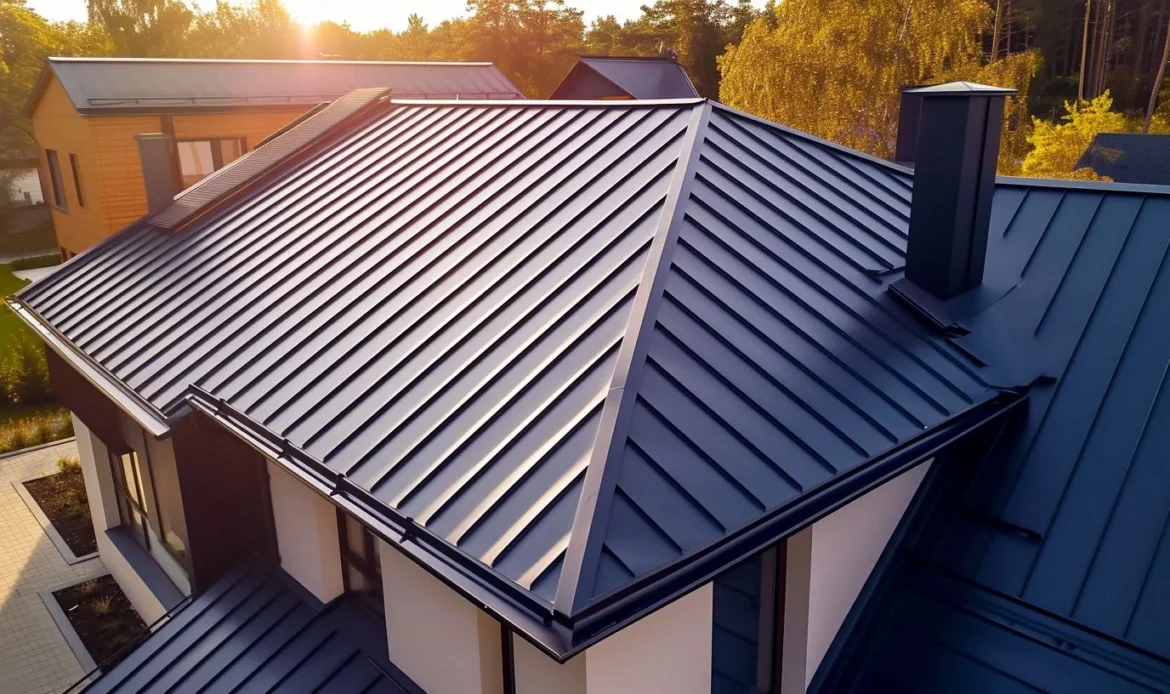
Summary
- Metal roofs in Upstate New York handle snow, wind, and ice with fewer winter failures.
- Upfront costs are higher, but lifespan and low maintenance can lower lifetime cost.
- Noise and appearance concerns are manageable with proper assembly and design.
- Snow management (guards, layout) is a key planning step in the Capital Region.
- Metal is not ideal for every roof—slope, budget, and goals matter.
Introduction
In Latham, Albany, and the wider Capital Region, roofing choices live or die by weather. We see long freeze–thaw cycles, dense snow loads, spring wind events, and humid summers. Those conditions expose weak assemblies fast. When homeowners ask what they gain with a metal roof, they are usually weighing that question against those realities.
We install both metal and asphalt across Upstate New York. Our crews spend a lot of winter days on steep drives and shady lots where ice dams form, and a lot of summer afternoons in hot attics adjusting ventilation. From that vantage, metal isn’t a trend; it’s a system with specific tradeoffs. Below we map those tradeoffs to this region’s climate, budgets, and architecture so you can decide if the gains align with your goals.
What homeowners gain with a metal roof in Upstate New York’s climate
- Snow shedding: Standing seam panels shed snow sooner than granular shingles. That reduces the time meltwater can back up at eaves.
- Lower ice-dam risk (when paired with good air sealing): Better shedding and smooth surfaces help, but attic insulation and ventilation still drive ice-dam behavior.
- Wind performance: Properly clipped standing seam can exceed the wind resistance of many shingle systems. Useful during inland wind events and channeling in Albany’s urban corridors.
- Fire resistance: Noncombustible surface adds a margin of safety in neighborhoods with tight lot lines and mature trees.
- Longevity: We routinely see metal outlast asphalt by 2–3 cycles when maintained. That changes long-horizon budgets for buyers planning to stay.
- Weight: Lighter than slate or tiles. Often suitable for re-roofing over one asphalt layer if decking is sound and code allows, reducing tear-off waste.
How metal differs from asphalt and flat roofing systems here
Versus asphalt shingles on pitched roofs
- Seams vs. shingles: Metal relies on interlocked seams and concealed clips; asphalt relies on overlapping courses and adhesives.
- Thermal movement: Metal expands and contracts. Clip selection and detailing matter in our temperature swings from January to July.
- Surface behavior: Snow and ice move as sheets on metal; they granularly melt on shingles. That changes gutter and entry safety planning.
- Service life: Asphalt commonly runs 15–25 years here. Quality metal assemblies often run 40–70 years with periodic fastener and finish attention.
Versus flat/low-slope systems common on porches and city additions
- Slope limits: Classic standing seam prefers a steeper pitch. On very low-slope areas (back additions in Albany, porch roofs), single-ply membranes or modified bitumen are often better suited.
- Ponding and snow: Metal dislikes standing water at low slope; flat systems are designed for it (with proper drainage). Snow drift lines behind parapets need special detailing either way.
- Transitions: Tying a metal main roof into a flat rear deck requires precise flashing and sequence. We see many leaks originate at these junctions rather than in the fields.
Common misconceptions about metal roofing
“It costs the same as shingles.”
Installed cost is higher—often 2–3x a standard architectural shingle in the Capital Region. The payback is lifespan and fewer replacements. Over 45–50 years, many owners spend less total on metal plus light maintenance than on multiple asphalt tear-offs.
“Metal roofs are loud in the rain.”
On barns with open framing, yes. On homes with solid decking, underlayment, and attic insulation, rain noise is comparable to asphalt. Roof assemblies we install in Latham and Albany rarely generate the “tin roof” sound customers imagine.
“They look industrial.”
Standing seam can be modern, farmhouse, or traditional depending on panel width and color. Metal shingles mimic cedar or slate with better snow performance. In historic Albany blocks, we often mix metal on the main roof with asphalt on porches to satisfy context and budget.
“Metal isn’t for cold climates.”
It works well here. The key is edge detailing (eave protection, snow retention, and venting) so snow exits safely and meltwater has no path inside.
Return on investment and energy savings
- Resale: Buyers in Latham and nearby towns often recognize the value of a recent metal roof. Premium appearance can shorten time on market for some styles. The exact price impact varies by neighborhood and design.
- Energy: Light-colored or “cool” finishes can reflect summer heat. In vented attics with decent insulation, we’ve seen summer electric loads drop modestly. Older homes with poor air sealing see smaller gains until the attic is addressed.
- Lifetime cost: When owners plan to stay through at least one asphalt replacement cycle, metal’s higher upfront price frequently nets out favorably. If the hold period is under 10 years, the math can favor asphalt.
Metal roofing and snow management in the Capital Region
Snow management is where we see the biggest day-to-day gains. The combination of standing seam, proper underlayment, and planned snow retention reduces ice-dam incidents and midwinter service calls. But the snow’s behavior changes:
- Sliding events: Without retention, snow can release all at once. Over entryways or walkways, that’s a hazard. We typically plan snow guards above doors and over garage bays to stage the release.
- Gutters: K-style gutters can be damaged by sliding sheets. Stronger hangers or half-round profiles reduce risk. In some cases, we decouple the gutter from the roof plane with a small gap.
- Valleys and dormers: Concentrated loads occur here. Ice-and-water shield underlayment and open-valley layouts help. Heat cable is a last resort for shaded north valleys.
| Roof type | Typical winter behavior | Management tactic |
|---|---|---|
| Standing seam, 6:12 pitch | Fast shedding after sun | Snow guards above doors, reinforced gutters |
| Metal shingle, 7:12 pitch | Moderate shedding | Spot guards, robust valley flashing |
| Asphalt, 6:12 pitch | Slow melt, higher ice-dam risk if attic is warm | Attic air sealing, baffles, thick eave membrane |
| Low-slope membrane | Drift and ponding risk | Cleared drains, snow monitoring, tapered insulation |
Durability across seasons: ice, wind, and summer heat
- Ice: Metal’s smooth surface resists granular loss and edge fray. The weak links are flashings and penetrations; we detail these aggressively against refreeze cycles.
- Wind: In exposed lots from Colonie to Clifton Park, clip spacing and edge metal selection carry more weight than material brand. We spec for local wind zones.
- Heat: Summer heat expands panels. Floating clip systems manage this movement and protect paint systems from stress. Ridge venting maintains shingle-adjacent temperatures on mixed-material roofs.
- Debris: Branches scuff paint more than they bruise panels. Trimming overhangs protects finish life.
Noise, aesthetics, and HOA expectations
Homeowners’ associations in some Albany suburbs ask for samples and color boards. Dark matte finishes reduce glare on tight streets; lighter finishes temper attic heat. Expect to provide cut sheets with panel type, seam height, and snow guard layout. When the neighborhood is mixed, a hybrid approach—standing seam on the main roof, asphalt on accessory roofs—often passes review while controlling cost.
As for sound, we design assemblies to match interior expectations: solid sheathing, a quality underlayment, and normal attic insulation. During hard summer rain, most clients report no noticeable difference from asphalt.
When a metal roof may not be the right fit
- Short hold period: If you expect to move within 5–8 years, the resale premium may not cover the upfront delta compared to a code-compliant asphalt replacement.
- Very low slope: Under 2:12 pitch, standing seam needs special detailing and sometimes isn’t advisable. Flat systems perform better at true low-slope.
- Heavily cut-up roofs: Multiple dormers, skylights, and intersecting planes add labor. Asphalt can be more practical on very complex footprints.
- Severe budget ceilings: If the immediate priority is safe, dry shelter at lowest cost, asphalt remains the entry point.
How to evaluate the pros and cons based on your goals
| Primary goal | Consider metal if… | Consider asphalt/flat if… |
|---|---|---|
| Minimum lifetime cost | You’ll own the home 20+ years and can maintain finish and gutters | You’ll sell within 10 years or plan to re-roof during renovation anyway |
| Winter performance | Entries can be protected, and snow guards are acceptable visually | Entrances sit below eaves and guards are not allowed by HOA |
| Historic character | Metal shingles or narrow standing seam fit the architecture | District guidelines strongly favor shingles on visible slopes |
| Complex roof geometry | Budget fits detailed flashings and custom trims | Multiple penetrations make shingle repairs more practical |
Checklist: considering a metal roof in the Capital Region
- Confirm roof slope and measure the complex areas (dormers, valleys, penetrations).
- Assess attic: air sealing, insulation depth, and ventilation path from soffit to ridge.
- Decide snow strategy: locations for guards, protected doorways, and gutter type.
- Review HOA or historic requirements and acceptable color palettes.
- Inspect decking for rot, past ice-dam damage, and fastener-holding strength.
- Choose panel profile (standing seam vs. metal shingle) and seam height.
- Plan transitions: metal to flat roofs, walls, chimneys, and skylights.
- Model budget over 25–50 years, not just this year’s spend.
- Schedule maintenance outlook: gutter care, tree trimming, occasional fastener checks.
Short-term cost vs. long-term value
Numbers shift by season, access, and geometry. These broad ranges reflect typical projects we see in Latham and Albany; they are not quotes.
| System (typical 2,000–2,400 sq ft roof) | Installed cost (range) | Expected service life | Projected replacements over 50 years |
|---|---|---|---|
| Architectural asphalt shingle | $9,000–$18,000+ | 15–25 years | 2–3 |
| Standing seam metal | $25,000–$50,000+ | 40–70 years | 0–1 |
| Metal shingle | $20,000–$40,000+ | 35–60 years | 0–1 |
| Low-slope membrane (flat) | $12,000–$28,000+ | 15–30 years | 1–3 |
When we run 30–40 year scenarios with modest maintenance, the total cost to own often tilts toward metal for owners who stay put. For short ownership windows, asphalt’s lower upfront cost keeps total spend lowest.
Longevity and maintenance differences
- Metal: Rinse debris where trees overhang, check snow guard fasteners every few years, touch up scratches, and keep gutters clear. Plan to repaint or recoat some systems late in life.
- Asphalt: Monitor granular loss, lift and seal tabs near ridges in high-wind areas, replace flashings as they age, and manage moss in shade.
- Flat roofs: Keep drains clear, watch seams after deep freezes, and protect surfaces from foot traffic.
Local weather and architecture: why they affect the decision
Neighborhood style matters. Colonial and farmhouse forms in Colonie and Niskayuna take narrow standing seam well. Mid-century ranches often do best with simple profiles and muted colors. In Albany’s historic streets, metal shingles can align with the look of older slate without the weight—useful on original framing.
Site conditions matter too. Shaded north slopes hold snow longer; we plan more retention and ice-and-water coverage. Open lots near the Mohawk River corridor see higher gusts; clip spacing tightens up. These are small decisions, but across decades they drive leak-free performance.
Working with a local installer
Process and detailing are as important as the panel brand. As a roofing company in Latham, we’ve learned to start with attic conditions before talking color charts. We model snow paths around doors, we measure valley drift zones, and we specify edge metal that holds up to wind and sliding loads. On projects straddling metal and flat sections, sequencing the tie-in is the difference between a clean spring thaw and a callback.
If you’re comparing proposals, look for notes on clip type, snow guard layout, underlayment at eaves and valleys, and how penetrations will be flashed. Those details—not just panel gauge—predict how the roof will behave on the first thaw in March.
FAQs
Will a metal roof stop ice dams in my Albany home?
It reduces risk, but attic air sealing and ventilation remain the core fix. Metal sheds snow faster, and good eave detailing buys you tolerance, but warm attic air still drives ice formation.
Does metal help with summer heat in Upstate New York?
With a reflective finish and proper venting, attic temperatures can drop. Savings vary more with insulation quality than with roofing alone.
Can I install metal over my existing shingles?
Sometimes. If local code allows and the decking is flat and sound, furring or direct-over installations are possible. We confirm moisture history and fastener holding before recommending it.
What about hail and branches?
In our area, hail is usually small. Metal resists functional damage better than shingles. Cosmetic dings can occur; overhanging limbs are the bigger risk for finish wear.
Are metal roofs allowed by HOAs around Latham?
Many allow them with design review. Expect to submit panel specs and color samples. Some require guard placement details.
How do I compare bids when I’m searching for a “metal roofing company near me”?
Compare assembly details: panel profile, gauge, clip type, underlayment at eaves/valleys, snow retention plan, and flashing notes. Price without these specifics is hard to weigh.
Who services metal roofs after installation?
Most issues are minor: guard adjustments, gutter tweaks, or flashing maintenance. A roofing company in Latham familiar with winter behavior in the Capital Region will plan for manageable upkeep.
Conclusion
What you gain with a metal roof in Latham, Albany, and the Capital Region is a system tuned for snow, wind, and seasonal swings. You trade higher upfront cost for longer service life, steadier winter performance, and fewer tear-offs. You also take on planning responsibilities—snow management, careful transitions, and HOA coordination—that repay the time in fewer surprises. We’ve found the fit is strongest for owners who plan to stay, who want predictable winter behavior, and whose roof geometry and slope support a clean install. For others, asphalt or a hybrid approach can be the practical answer. The right choice follows your goals and the specifics of your home, not a universal rule.