

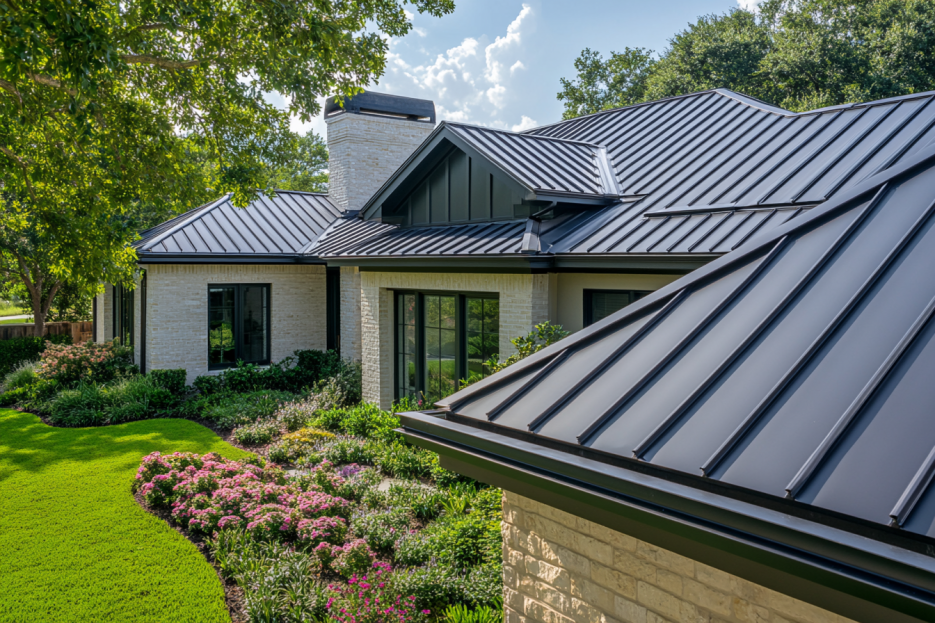
The situations described here are composites drawn from the types of jobs and decisions we encounter regularly. Names and specific figures are illustrative.
The gutter came off the house on the first Tuesday of February, with a sound like a car door slamming. The homeowner had been sitting in his kitchen on the north side of a 1990s colonial in Guilderland. A shelf of snow and ice had let go from the eave and taken the gutter with it, along with a section of fascia. It was the third winter in a row with ice dams along that edge. He started calling around about metal roof installation in Albany, NY that same night, convinced the shingles were the problem.
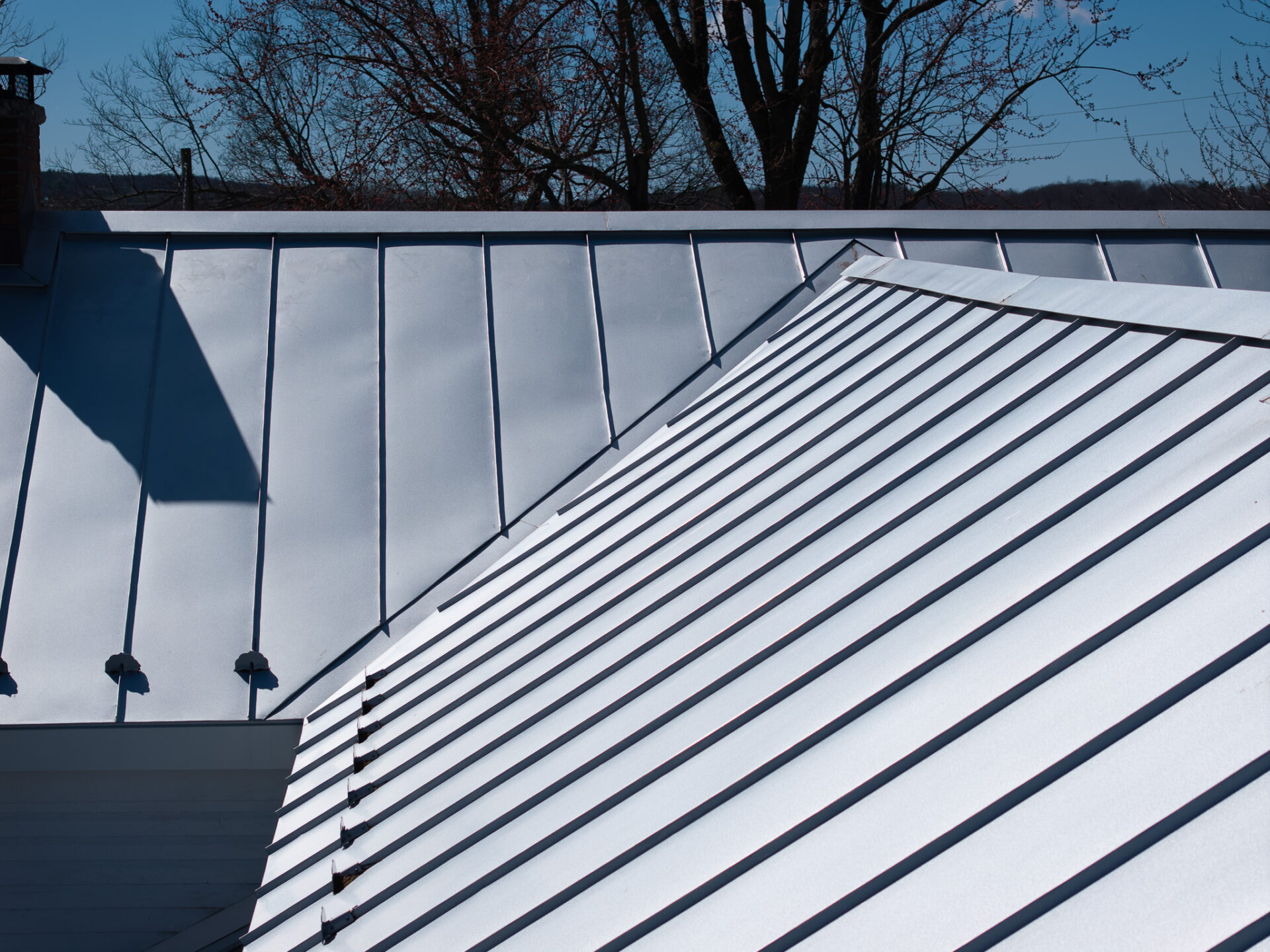
What a metal roof does in snow
He was partly right, and the part he was right about is worth understanding. A metal roof has a smooth surface, and snow on it tends to shed more readily than on shingles. The Metal Roofing Alliance notes that several metal roof styles encourage snow shed and minimize ice damming for that reason. Metal also holds up under heavy loads when it is designed for them. In New York, the design snow load for a roof comes from the ground snow load set by the building code and local jurisdiction, and a contractor should confirm the figure that applies to the address.
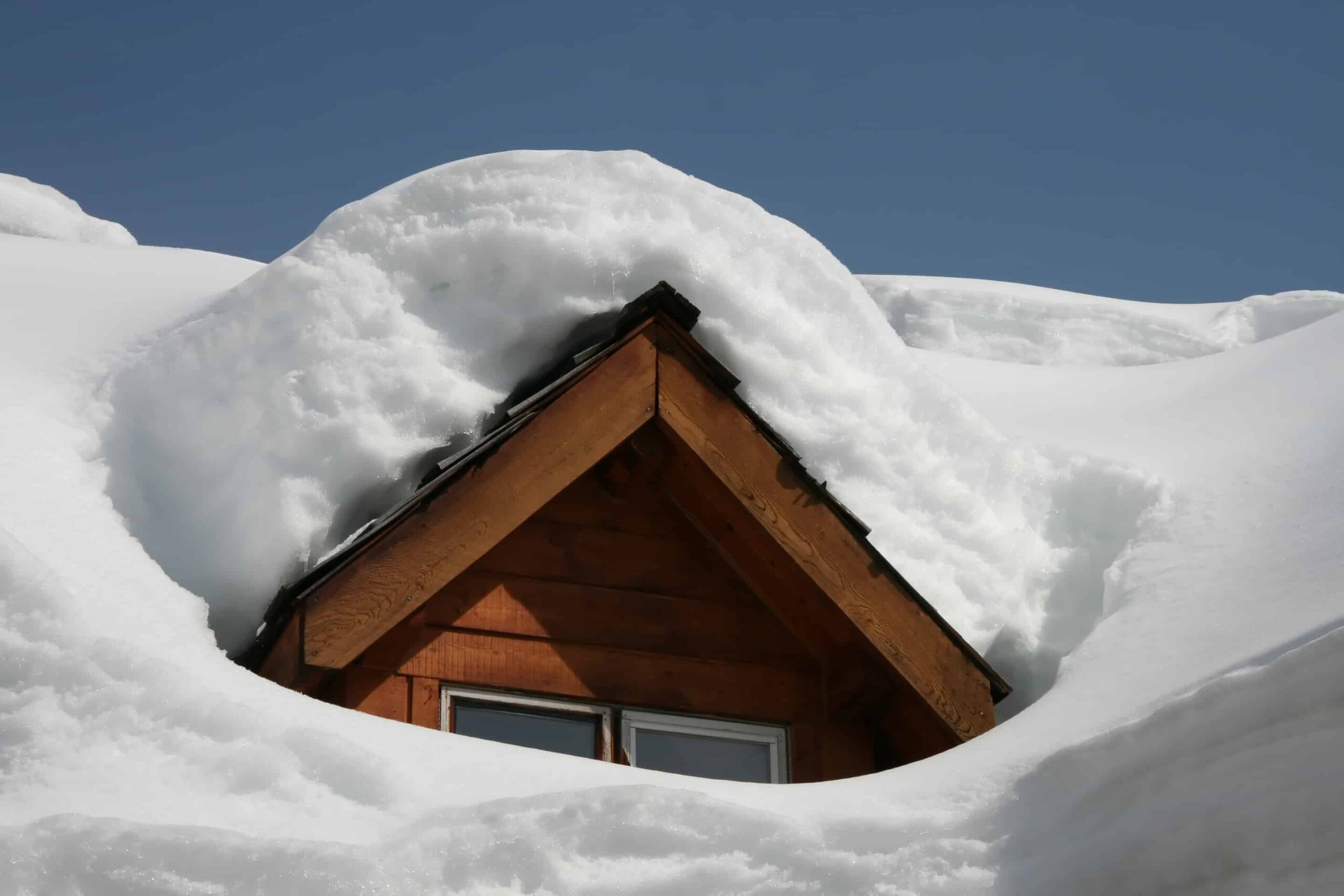
That smoothness is also the first problem. Snow that sheds comes down all at once. On a roof that ends above a walkway, a driveway, a deck or a gutter, a slide of snow and ice can injure someone or tear off whatever is under it. A homeowner who replaces shingles with a slick metal panel without thinking about where the snow will land can end up replacing the gutter again, which is close to what happened in this illustration.
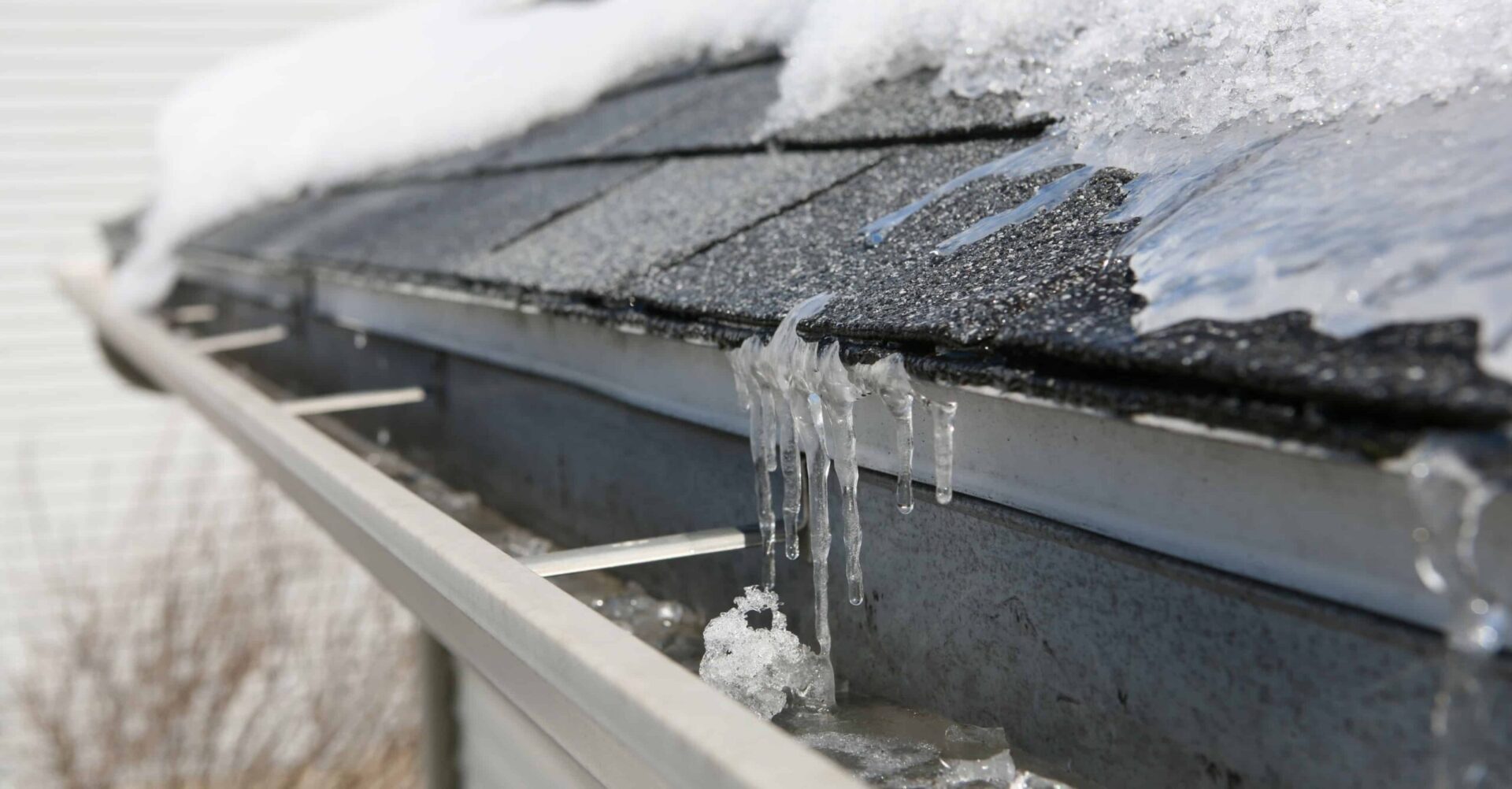
Where ice dams actually come from
The homeowner’s mistake was assuming the roofing material caused the ice dams. It almost never does. An ice dam forms when heat from the house leaks into the attic, warms the roof deck above freezing and melts the snow lying on it. The meltwater runs down to the eave, which is colder because it hangs past the warm walls, and freezes there. The ice builds a dam, water backs up behind it and finds its way under the roofing. Cold climates call for well-insulated, well-sealed attic floors and ventilation that keeps the roof deck cold, and that is the cure.
When the contractor walked through the attic, he found what is typical in a 30-year-old house. Insulation was thin and compressed along the north eave. The attic hatch was not sealed. Bath fan ducting ended in the attic, not at a vent outside, so warm, damp air was being dumped under the roof. A metal roof over that attic would still have had meltwater at the eave. It would have stayed colder in places and shed snow faster, which helps, but the heat loss that started the process would have continued.
That is why a conversation about a new roof has to include the attic. Our page on roof replacement describes how we look at ventilation and insulation as part of any re-roof, not as an add-on.
Snow guards, seams and the eave
The contractor’s recommendations followed from what he had seen. For snow, he recommended snow guards, small devices or bars fastened to the roof that hold snow in place until it melts gradually instead of sliding in a sheet. Snow retention research, including an IIBEC study on snow guards for metal roofs, shows that a layout depends on the roof’s pitch, panel type and the load it can carry. On a standing seam roof, snow guards are usually clamped to the seams so no holes are drilled through the metal.
For the eave, he recommended a self-adhering waterproof membrane at the lower edge of the roof. New York’s residential code lets each local jurisdiction require an ice barrier underlayment where there is a history of damage from ice damming, and it is worth asking your municipality and contractor whether that applies at your address. Many Capital Region homes have that history. And he explained that the roof would need to be sized and fastened for thermal movement, because metal expands and contracts more than shingles do. The clips and panels have to be able to move without tearing.
What the installation involved
In this illustration the installation was scheduled for October, ahead of the first snow. Crews removed the old shingles down to the deck, replaced a few soft boards, installed the ice-and-water membrane along the eaves and in the valleys, and applied a synthetic underlayment over the rest. Then the panels went on, with flashings at the chimney, the plumbing vents and the walls. The attic work, air sealing at the hatch, new baffles for ventilation and bath fan ducting run outdoors, was done the same week by the same crew. A new gutter went up with a larger hanger spacing and the snow guards were placed above it.
The price depended on the roof’s size, its complexity and the material, and it was a good deal higher than a shingle replacement. Metal roofs are generally expected to last far longer than asphalt shingles, which is the case for the extra cost, but the longer life only matters if the owner plans to stay or if the roof helps the home sell. A homeowner in that position usually asks how much of the premium comes back, and the honest answer is that it varies. Our overview of metal roof replacement explains the options.
A fall reminder from the July storm
Any roof in the Capital Region is a roof that has been through more than a few weather extremes. The late-July floods were a reminder of how much rain these roofs handle, and our account of how to assess a Capital Region roof after the July 29 storm describes what to check before winter. A roof that was marginal in July will not improve under snow.
What the story leaves behind
The homeowner got a metal roof, a corrected attic and a gutter that was out of the way of the snow. He also got a clearer sense of what each part did. Metal addressed the shedding and the longevity. The attic work addressed the ice dams. The snow guards addressed the slide. For anyone weighing metal roof installation in Albany, NY, the useful question is not only which panel to choose but what is causing the problem on the roof today.
If you’re looking for residential roofing in Albany, you can reach out here.