

Summary
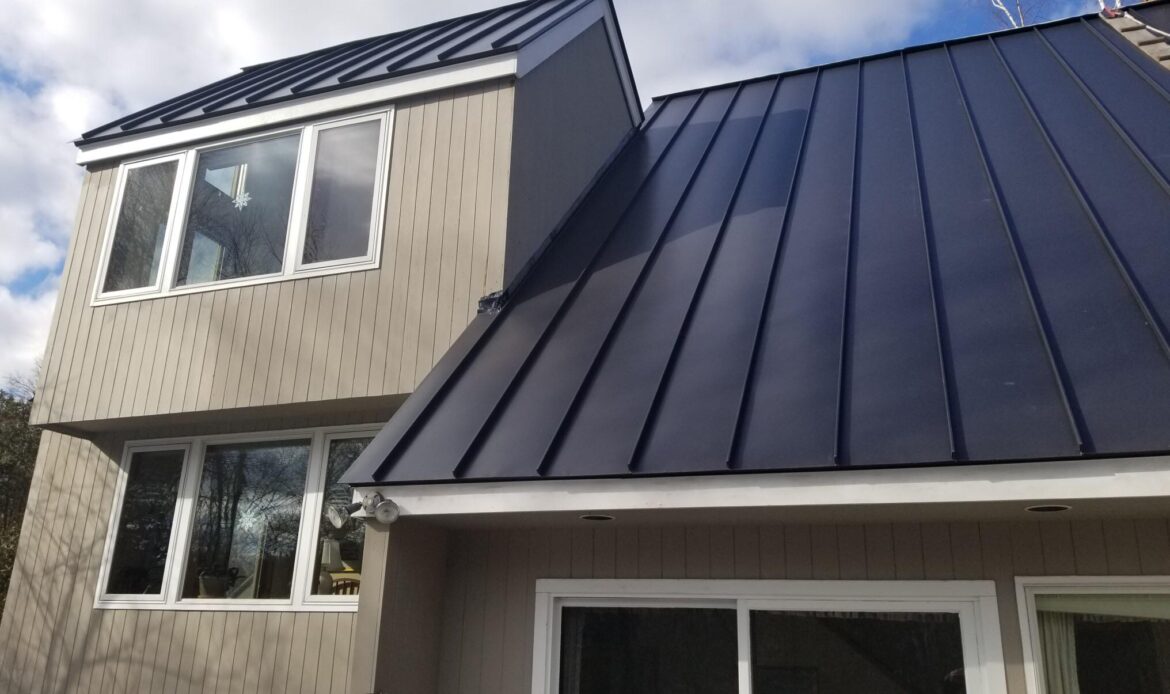
- Interlocking metal panels resist Albany’s wind, ice, and freeze–thaw cycles better than layered shingles.
- In heavy snow, metal sheds weight faster; shingles depend on attic ventilation to avoid ice dams.
- Noise and heat loss come down to assembly: underlayment, decking, and attic insulation matter more than the panel itself.
- Metal often wins on 30–50 year costs if you plan to stay; shingles fit shorter ownership horizons or complex rooflines.
- Installer experience in the Capital Region’s weather patterns is as important as the material choice.
Introduction
I work on roofs across Albany and the Capital Region where weather shifts quickly: warm March afternoons, freeze-ups overnight, nor’easters that slam wet snow against valleys, and summer cells that drop wind-driven hail. In this climate, material choice and assembly details show their value fast. I get the same question every winter: why does metal ride out the abuse better than shingles?
From what I’ve seen on rebuilds and storm calls, the difference isn’t magic; it’s how each system manages water, wind, movement, and weight. I’ll walk through the patterns I see locally and where each option makes sense. I’ll also point to factors I check on every roof, regardless of material, because the assembly is what keeps a home dry. Here at Elite Contracting we get to to see Albany houses day to day and that shapes how we look at things.
Albany’s seasonal climate and how it affects roofing longevity
Our winters bring prolonged freeze–thaw. Daytime melt runs under surface snow, then freezes at night. That movement stresses joints, fasteners, and sealants. In shoulder seasons, we get cold rains followed by sudden cold snaps. Add a few wind events every year that try to lift eaves and ridge lines. Summer hail shows up often enough to matter, especially in open areas near the river and on hills west of the city.
Those patterns expose weaknesses differently:
- Freeze–thaw: Asphalt shingles rely on layered adhesion and granules. Water creeps between layers and can refreeze, loosening tabs and scouring granules. Metal panels expand and contract as a single surface; standing seams or mechanically fastened ribs allow that movement without opening pathways.
- Wind: Shingles fight uplift at every tab edge. Once wind gets under a leading edge, it breaks the seal and the damage spreads. Interlocked metal panels distribute loads across clips or screws, so the system resists peel-up along the entire run.
- Heavy snow: The Capital Region’s snow loads vary, but when a nor’easter drops wet snow, weight adds up. Metal sheds snow faster once temperatures rise slightly or sun hits the surface. Shingles hold snow longer, which raises the risk of ice damming if ventilation is weak.
Common misconceptions about metal vs. shingle durability
- “Metal always dents in hail.” I’ve replaced more hail-damaged shingles than dented metal locally. Heavier-gauge steel or aluminum resists cosmetic denting; even when light dents occur, performance is rarely affected. Shingles can lose granules, reducing UV protection and shortening life.
- “Shingles blow off because they were installed wrong.” Sometimes, yes. But I’ve seen properly nailed, code-compliant shingles peel in a single gusty storm after a cold snap. Age and recent thaw weaken the seal. Metal’s interlock is less dependent on adhesive bonds.
- “Metal is noisier in rain.” In uninsulated pole barns, sure. On Albany homes with solid decking, underlayment, and typical attic insulation, rain noise is comparable. Most of the sound control comes from the layers under the panel.
- “Metal makes houses colder in winter.” Heat loss in winter is about attic insulation and air sealing. A metal roof over proper decking doesn’t reduce interior temperatures; the roof assembly controls that.
Weather-related performance differences: ice, wind, hail, snow load
Below is a quick view of how each material handles the specific weather we see most.
| Condition | Metal roof behavior | Asphalt shingle behavior | Local implication |
|---|---|---|---|
| Ice dams | Smoother surface sheds meltwater faster; standing seams limit pathways. Needs good ventilation and ice shield at eaves. | Granular surface slows shedding; more reliant on attic ventilation and wide ice/water shield. | In older Albany homes with tricky ventilation, metal often reduces dam intensity. |
| Wind uplift | Interlocked panels resist peel along full runs; fastener layout is critical. | Tab edges can unseal; uplift can cascade across a slope. | On ridgelines and open exposures, metal has fewer failure points. |
| Hail | Thicker gauges resist dents; even minor dents rarely leak. | Granule loss exposes asphalt; cracks at edges can start leaks. | Post-storm, shingles often need spot replacement; metal is usually inspect-and-monitor. |
| Snow load | Sheds with sun and mild temps; snow guards may be needed above entries. | Holds snow longer; weight distribution is fine, but melt/back-freeze raises dam risk. | Metal can lower structural load duration in late storms. |
If you want a deeper dive on weather behavior, this overview aligns with what I see on Capital Region projects and what’s summarized here: Advantages of Metal Roofs in Harsh Weather.
Noise, insulation, and efficiency tradeoffs in cold climates
Metal doesn’t add or remove insulation value by itself. The assembly determines winter comfort:
- Decking: Solid sheathing under metal reduces vibration and sound transfer. Skip-sheathing (common in barns) is not typical on Albany homes and is noisier.
- Underlayment: A high-temperature, self-adhered membrane at eaves and valleys plus synthetic underlayment across the field cuts air leaks and sound.
- Ventilation and insulation: Balanced soffit-to-ridge ventilation with R-49 or better attic insulation keeps roof temperatures consistent, limiting melt patterns that drive ice dams.
In practice, I can make a metal roof as quiet as, or quieter than, a shingle roof by tightening these layers. The payback shows up in stable winter attic temps and fewer dam calls.
When metal roofs are worth the cost versus shingles
Scenario breakdowns I see in the Capital Region
- Steep, simple gables with weather exposure: Metal usually wins. The fast shedding and wind resistance reduce service calls.
- Complex rooflines with many valleys and penetrations: Shingles can make sense if budgets are tight. Flashing detail drives success either way.
- Short ownership horizon (under 10–12 years): Shingles often pencil out. The resale bump from metal varies by neighborhood.
- Long-term ownership (20+ years) or solar plans: Metal often wins on total cost and integration with snow management and PV mounts.
For a side-by-side material overview beyond weather, see: Metal Roofing vs. Asphalt Shingles: Which Is Better?
Lifespan, maintenance, and insurance impacts
- Lifespan: Architectural shingles in Albany often reach 18–25 years if ventilation is good and storms are moderate. Standing seam metal commonly reaches 40–60 years with periodic fastener checks (for exposed-fastener systems) and sealant refresh at accessories.
- Maintenance: Shingles need periodic tab repairs, valley clear-outs, and post-storm granule checks. Metal needs fastener and flashing checks, plus snow guard inspection if installed.
- Insurance: Policies differ. I’ve seen carriers offer cosmetic-damage exclusions for metal (they’ll cover functional hail damage), but some provide modest premium incentives for wind ratings. Shingle replacements after hail are more common claims, which can affect long-run costs.
Budget comparison for Albany projects
| Cost factor | Architectural shingles | Standing seam metal | Notes |
|---|---|---|---|
| Installed cost (per sq ft, typical range) | $4.50–$7.50 | $10.00–$16.00 | Ranges reflect roof complexity, access, and tear-off. |
| Expected service life | 18–25 years | 40–60 years | Weather, attic conditions, and workmanship drive outcomes. |
| 30-year replacement expectation | Likely one full replacement | Repairs only | Metal’s longer life shifts cost into year 0. |
| Annual maintenance | Low–moderate | Low | Both benefit from annual inspections. |
| Ice dam risk (assembly dependent) | Moderate–high if ventilation is weak | Lower with good ventilation | Both require eave ice/water shield. |
These are working ranges I see in Albany today. Steep second-story roofs, tight lots, and many valleys push costs up regardless of material.
What local homeowners should ask when vetting metal roof installers
Experience in our weather matters as much as product lines. I listen for practical answers to these:
- What’s your plan for ice management at the eaves, valleys, and gutters on this specific house?
- How will you handle expansion/contraction at long panel runs and penetrations?
- What gauge and profile are you proposing, and why for this wind exposure?
- How do you stage snow guards to protect walkways and decks?
- What’s the fastening schedule and underlayment stack you use on solid decking?
- How do you warranty workmanship through at least two winters and one summer?
If you’re comparing bids from metal roofing installers in Albany New York, make sure their answers reference your roof’s slope, attic ventilation, and snow shedding patterns—not generic specs.
Checklist: evaluate roof material fit for your home
- Map your exposure: Are you on a hill or open lot with prevailing winds? Note drift patterns from past storms.
- Document problem spots: Prior ice dams, interior stains, or shingle blow-offs. Photos help installers propose details.
- Assess attic: Measure insulation depth and air sealing. Confirm soffit/ridge airflow is clear and balanced.
- Count penetrations: Skylights, chimneys, bath vents, satellite mounts—more penetrations mean more flashing work.
- Consider ownership horizon: Under 12 years versus 20+ years shifts the cost equation.
- Plan for snow management: Identify where snow should and should not slide. Budget for guards if needed.
- Review roof geometry: Simple gables favor metal efficiency; complex hips/valleys can lean toward shingles on budget.
- Get assembly details in writing: Underlayment type, eave/valley treatment, fastening schedule, and flashing materials.
How local contractors guide weather-ready decisions in Albany
On Capital Region homes, I start with the building’s weaknesses, not the brochure. If I find poor attic ventilation, I build the solution around airflow and ice control first. If the exposure is open and windy, I favor profiles with higher interlock strength and secure clip spacing. On complex rooflines with many valleys, I weigh the budget impact of custom metal flashing versus a high-quality shingle assembly with robust ice/water protection.
That approach keeps the material choice honest. I’d rather install the right assembly for the house than force a one-size answer. It’s also why two similar-looking homes on the same street can get different recommendations after I trace melt lines, check decking, and examine how gutters and downspouts handle big thaws.
FAQs
Will a metal roof stop ice dams completely?
It helps, but it’s not a cure-all. Ice dams come from heat loss and uneven roof temperatures. Metal sheds water faster and limits seepage, but I still design for ventilation, air sealing, and ice/water membranes at eaves.
Do metal roofs attract lightning?
No more than shingles. The roof isn’t a lightning magnet. If lightning does hit, metal safely disperses energy across the structure better than combustible materials, but strike risk depends on site height and surroundings.
Is hail damage on metal just cosmetic?
Usually. I inspect for seam integrity, coating damage, and flashing leaks. Light dents rarely impact watertightness. With shingles, hail can degrade granules and shorten service life even if leaks don’t appear immediately.
What about the noise during rain?
With solid decking, synthetic or peel-and-stick underlayment, and a typical insulated attic, rain noise is comparable to shingles. Noisy metal roofs are usually un-decked or under-insulated structures.
Why do results differ when I search for installers “near me”?
Search engines use location and content. What matters most is whether the crew understands Albany’s wind, snow load, and freeze–thaw behavior—and shows assembly details in their proposal.
Conclusion
Across Albany winters and shoulder seasons, metal’s interlocked panels, smooth shedding, and tolerance for movement handle harsh weather better than layered shingles. Still, I’ve recommended shingles on complex rooflines where budget is tight and the priority is upgrading ventilation and eave protection first. The right answer for a given house comes from matching the assembly to the roof geometry, attic conditions, and exposure—not from the label on the box.
That’s how I approach every project I touch at Elite Contracting: start with the building, design for our climate, and pick the system that remains stable through thaw cycles and wind events. In the Capital Region, that focus keeps roofs working long after the storm passes.