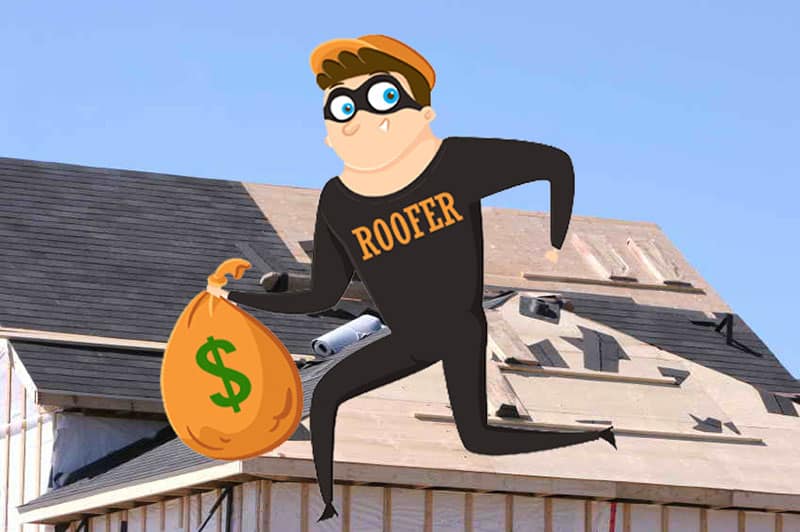
Storm season in Upstate New York can bring out the best neighbors—and the worst actors. When high winds, hail, or heavy snow hit the Capital Region, homeowners often find a parade of unfamiliar trucks and door knockers offering “limited-time” roof deals or suspiciously low prices. Knowing how to spot red flags and verify who’s legitimate is the difference between a stress-free roof replacement and a costly scam.
This guide lays out a clear, Albany-focused process to help you vet bids, read contracts, and protect your home and budget. You’ll learn the most common scam patterns in our area, how to compare estimates apples-to-apples, what should be in writing, and where to turn if you suspect fraud. If you’re starting your search, consider getting multiple quotes and working only with reputable roofing contractors. For a top-rated local option, request a consultation from Elite Contracting.
Common roofing scams hitting Albany and Upstate NY
1) Door-to-door “storm chasers”
After severe weather, crews with out-of-state plates sometimes canvass neighborhoods, claiming your roof has “urgent damage” they can fix today. They pressure you to sign a contingency agreement on the spot or to file an insurance claim even if damage is unclear. These companies often leave town as fast as they arrive, making warranty support difficult or impossible.
2) Fly-by-night contractors
Pop-up operations may rent a local P.O. box and spoof a local phone number, but lack a permanent address, stable crew, or track record in the Capital Region. They rely on big deposits up front, deliver sloppy work, then disappear.
3) Insurance fraud and deductible scams
Some actors promise to “cover your deductible” or inflate claims with damage that doesn’t exist. This can leave you liable for insurance fraud or stuck with a denied claim while the roofer vanishes.
4) Upcharging and material swap-outs
A common bait-and-switch involves quoting premium shingles, underlayment, or flashing, then installing cheaper materials you won’t notice from the ground. Others upcharge for “code upgrades” that aren’t required in your municipality.
5) Phantom inspections and fake photos
Scammers may show you zoomed-in or stock photos as “proof” of catastrophic damage. Without a second opinion, it’s easy to be convinced to replace a roof that only needs localized repair.
6) Vanishing warranties
Unlicensed crews promise long warranties that look great on paper, but when a leak appears months later there’s no answer, no office, and no service.
Albany-specific situations: What local homeowners report
- Post-storm caravans on I-87 and I-90 exit into suburban neighborhoods (Colonie, Guilderland, Clifton Park) with out-of-state plates and temporary magnetic signage.
- Cold-callers claim they’re “working on your street tomorrow” and have “materials left over” to discount your job if you sign today.
- Hasty inspections in older Albany homes (Pine Hills, Center Square) push full replacement when a flashing repair around chimneys or slate-to-asphalt transitions would suffice.
- Rural properties in Rensselaer and Saratoga counties are targeted because long driveways and outbuildings make it harder to verify activity on-site.
Red flags to watch for—before you sign anything
- High-pressure tactics: “Today only” pricing, threats your insurance will deny coverage unless you act now, or a “crew in the area” that can “start in an hour.”
- Vague or verbal-only estimates: No itemized materials, unclear labor and disposal costs, or missing warranty details.
- No verifiable insurance or license: They can’t produce a current certificate of insurance with adequate limits and your address listed as certificate holder, or they dodge license questions.
- Out-of-town plates, unbranded trucks, or no permanent local address.
- Requests for large cash deposits: Demands of 50%–80% up front or cash/Zelle payments only.
- Refusal to pull permits or dismissing local codes and inspections as “not needed.”
- References that don’t check out: No recent work in the Capital Region you can drive by or homeowners you can call.
Reputable vs. shady: Quick comparison table
| Factor | Reputable Contractor | Shady Operator |
|---|---|---|
| Business presence | Permanent local address, established in Capital Region | PO box only, no traceable office, vague origins |
| Insurance & license | Provides COI listing your address; knows local license rules | Hedges, shows expired or altered documents |
| Estimate | Written, itemized; includes materials, labor, disposal, permits | One-line price; no details or specs |
| Payment schedule | Modest deposit, progress payments tied to milestones | Massive up-front cash or full payment before start |
| References | Recent local installs you can see | Unverifiable or out-of-state references |
| Warranty | Manufacturer + workmanship in writing, clear terms | Vague “lifetime” promises, no documentation |
| Communication | Responsive, professional, answers technical questions | Pushy sales lines, evasive on specifics |
How to vet roofing contractors in Albany, NY
Your best protection is a repeatable, written process to screen companies. Here’s a practical checklist.
1) Start with three local bids
- Request on-site inspections from at least three established companies. In your first calls and emails, ask how long they’ve worked in Albany County and surrounding towns.
- Explicitly state you want itemized estimates for comparison. This flags pro-level roofing contractors who are comfortable detailing their work.
2) Verify insurance—don’t just glance at it
- Ask for a certificate of insurance (COI) direct from the insurer. Your property address should be listed as the certificate holder.
- Confirm coverage includes general liability and workers’ compensation in amounts appropriate for residential roofing.
3) Confirm licensing and permits
- Request license details, where applicable, and ask who pulls the permits. Reputable teams are practiced with Capital Region permitting and inspections.
4) Check references and view recent work
- Ask for 3–5 recent jobs within 20 miles. Drive by to review shingle lines, flashing details, ridge vent terminations, and cleanup quality.
- Speak to homeowners about punctuality, change orders, and how the company handled minor issues after completion.
5) Evaluate communication
- Note how fast they respond, how thoroughly they explain materials and methods, and whether they proactively set expectations for weather delays.
- Professional contractors welcome your questions—and share best practices, such as ice and water shield at eaves and valleys for Upstate NY winters.
6) Compare workmanship and manufacturer credentials
- Ask if crews are factory-certified by shingle manufacturers. Certification can extend warranty options and indicates training on proper installations.
As you work through these steps, keep using the same yardstick across each company. The most professional roofing contractors will be comfortable with scrutiny—they expect informed homeowners and appreciate structured decision-making.
What should be in your written contract
A clear, detailed contract is your legal backbone. It should spell out:
- Scope of work: Tear-off vs. layover, decking repair thresholds, flashing to be replaced or re-used, ventilation changes, skylight handling.
- Materials with model numbers: Shingle brand and line, underlayment type, ice and water shield, drip edge, ridge cap, fasteners, and flashing material.
- Labor and disposal: Decking repair rates per sheet, dumpster/haul-away, magnetic nail sweep, property protection plan.
- Timeline and sequencing: Start date window, estimated duration, weather contingency process.
- Permit and inspection responsibility: Who pulls permits, schedules inspections, and closes them out.
- Payment schedule: Deposit amount, progress payments tied to milestones, final payment terms after walkthrough.
- Warranty terms: Manufacturer and workmanship coverage, what’s included/excluded, and claim process.
- Change orders: How out-of-scope work is quoted and approved in writing before proceeding.
- Lien releases: How and when lien waivers are provided by prime and any subs.
If a company refuses to document these items, walk away. Legitimate operations use detailed contracts to protect both parties.
How to evaluate estimates (and compare apples to apples)
Ask every bidder to itemize the same categories so you can line up differences clearly:
- Materials: Brand/line of shingles, underlayment type, metal gauges, ventilation components.
- Labor: Estimated hours or crew size, flashing work included, decking repairs allowance.
- Disposal: Dumpster costs, cleanup scope, lawn and garden protection.
- Permits/inspections: Fees included or separate.
- Warranty: Manufacturer tier and workmanship years.
- Timeline: Start window and duration.
Fair estimate vs. scammy estimate: Comparison table
| Aspect | Fair Estimate | Scam Signal |
|---|---|---|
| Price | Competitive with other quotes within 10–20% | Way below market without explanation |
| Materials detail | Specific brands/lines; underlayment, vents, flashings listed | “Premium materials” with no specifics |
| Decking repairs | Clearly priced per sheet; allowance stated | No mention of decking until surprise charges later |
| Warranty | Manufacturer + labor warranty with terms attached | Vague verbal “lifetime” promise |
| Payment schedule | Modest deposit; progress tied to milestones | Huge up-front payment, cash/Zelle preferred |
| Permits | Included and handled by contractor | “Not needed” or silent on permits |
When in doubt, ask the bidder to clarify line items. Professional roofing contractors can explain their pricing and scope in detail—and will encourage you to compare.
Choose durable materials to avoid repeat work
A long-lasting roof isn’t just peace of mind; it’s a scam deterrent. High-quality shingles, proper underlayment, and metal components reduce premature failures that opportunists exploit to sell unnecessary repairs. For a deeper dive into materials that last in Albany’s freeze-thaw cycles, review this resource on enduring materials for Albany NY roofing.
Insist that your estimate lists the exact shingle series, ventilation type, and protective membranes. Then verify delivered materials match what’s on the proposal before work begins.
Metal vs. asphalt shingles: decision support and fraud risks
Both can perform well in Upstate NY when installed correctly, but the buying process differs—and so do the scam angles:
Asphalt shingles
- Pros: Lower up-front cost, wide brand options, effective ice and water shield compatibility, simpler repairs.
- Common scam angle: Swapping mid-grade shingles for an entry-level line, or skimping on underlayment and ridge-cap quality.
Metal roofing
- Pros: Longevity, excellent snow-shedding, strong wind resistance, potential insurance benefits.
- Common scam angle: Thin-gauge panels or uncoated fasteners that corrode; misrepresented warranties; unsealed penetrations around vents or chimneys.
See a side-by-side overview here: metal vs asphalt shingles. Whichever route you choose, verify panel gauge or shingle line, coating type, and fastener specs in your contract, and confirm on delivery.
Protect your wallet: smart payment practices
- Deposits: 10%–30% is typical depending on job size and custom materials. Be wary of anything larger without a compelling reason.
- Milestones: Tie progress payments to clear milestones (materials delivered, tear-off complete, dry-in complete, final inspection).
- Payment method: Use traceable methods (check or credit card). Avoid large cash payments.
- Lien waivers: Require lien releases from the contractor and any subs upon payment.
After a storm: a calm, step-by-step plan
- Document first: Take photos and short videos of any visible damage, water intrusion, and interior ceilings.
- Temporary protection: Request a temporary tarp or dry-in to prevent further damage while estimates are gathered.
- Get multiple bids: Avoid signing with the first door-knocker. Book three local inspections.
- Coordinate with insurance: Share photos and the estimates you receive. Do not exaggerate damages or sign contingency agreements without understanding them.
- Vet thoroughly: Use the checklists in this guide for licenses, insurance, and references.
Visual guide suggestions (for your short-list decision)
- Infographic: “The Albany Roof Scam Spectrum” showing red flags from mild to severe.
- Flowchart: “Should I Sign This?” branching based on whether the estimate includes materials, permits, and warranty specifics.
- Bar chart concept: Compare three estimates by cost categories (materials, labor, disposal, permits) to visualize outliers.
- Checklist graphic: “Pre-Install Delivery Check” to verify shingles, underlayment, and flashing match your contract.
Frequently asked questions
1) How many estimates should I get before choosing a roofer?
Three is a good baseline. More than five often adds noise without improving clarity. Comparing three itemized proposals keeps you focused on quality, scope, and value.
2) What’s a normal deposit for a roof in Albany?
Typically 10%–30%, with progress payments tied to milestones. Be cautious of very large up-front deposits or requests for cash apps or wire transfers without a paper trail.
3) How do I know the materials delivered are the ones I paid for?
Ask the estimator to list brand and line for shingles, underlayment type, ridge vents, and flashing metal. When materials arrive, match packaging labels and counts to your contract. If anything differs, get a written change order before work proceeds.
4) Is a one-day roof job a red flag?
Not necessarily. Well-coordinated crews can complete many asphalt roofs in a day. The red flags are sloppy site prep, rushed flashing details, or no final walkthrough—not the duration alone.
5) What if a contractor says permits aren’t required?
Ask them to cite the rule and the jurisdiction. In many localities, reroof permits and inspections are standard. A pro will know the process and factor it into the schedule and cost.
How to report suspected roofing fraud in Albany, NY
If you believe you’ve encountered a scam, act quickly and document everything. The general process is:
- Gather documentation: Contracts, change orders, texts/emails, photos, delivery slips, and payment records.
- Contact your insurance company if a claim was involved. Provide your documentation and timeline of events.
- Reach out to your local consumer protection agency or the appropriate municipal office that oversees contractor licensing or permitting. Ask about the complaint process and required forms.
- If materials or deposit money are missing and the company is unresponsive, consult with an attorney and consider filing a police report, especially if you suspect theft or fraud.
- Notify your neighbors and community groups to help prevent additional victims.
Final checklist: a 10-minute pre-sign review
- At least three local, itemized estimates on company letterhead.
- Insurance verified with your address on the COI.
- Materials, model numbers, and ventilation plan listed.
- Decking repair allowances and per-sheet rates included.
- Permits and inspections identified in the contract.
- Payment schedule with modest deposit and milestone triggers.
- Manufacturer and workmanship warranty documents attached.
- References called; at least two local recent installs verified.
- Company has a permanent local address and responsive office.
- No high-pressure “today-only” discounts or vague promises.
Why staying local matters
Local companies build reputations one roof at a time and rely on referrals in Albany and surrounding towns. They’ll be here for warranty service, seasonal inspections, and future upgrades. Strong community ties and visibility are your best guarantee of accountability.
When you’re ready to compare, speak with at least three seasoned pros and put every promise in writing. Your roof is your home’s first line of defense—treat the decision with the same care you’d give any major investment.
Conclusion: Your roof, your rules
Scams thrive on urgency, confusion, and lack of documentation. Counter them with a calm pace, multiple itemized bids, verified credentials, and a robust contract. Choose durable materials that perform in Albany’s climate, understand your warranty, and maintain clear payment milestones. When you’re ready for a local, accountable team, request an estimate from Elite Contracting and compare their detailed proposal against your checklist.