


The situations described here are composites drawn from the types of jobs and decisions we encounter regularly. Names and specific figures are illustrative.
In mid-September, during an ordinary rain, water began to drip through a Guilderland homeowner’s kitchen ceiling fan. An inspector found the cause in about twenty minutes: the plumbing vent boot on the roof had cracked, and the felt underlayment around it was saturated. By then the plywood sheathing near the vent had started to delaminate and the ceiling joists below showed water damage. It is a common ending for storm damage roof repair in Albany, NY, and it starts with a roof that looked fine.
What he saw in July, and what he did not
After the July 29 storm, he checked from the driveway. No missing shingles, no sag, no obvious flashing problems. That was reasonable. According to the National Weather Service, July 29, 2026 was Albany’s second-wettest calendar day on record, with 5.45 inches at the airport and about 7 inches over July 28 to 30. Parts of Columbia and Rensselaer counties saw nearly a foot. First responders performed water rescues, and a historic grist mill collapsed.
After a windstorm, the damage is visible: missing shingles, bent flashing, a displaced ridge cap. After a record rainfall, the damage is mostly hidden. Water finds every gap, seam and weak point in a roofing system, and the effects can take weeks or months to appear.
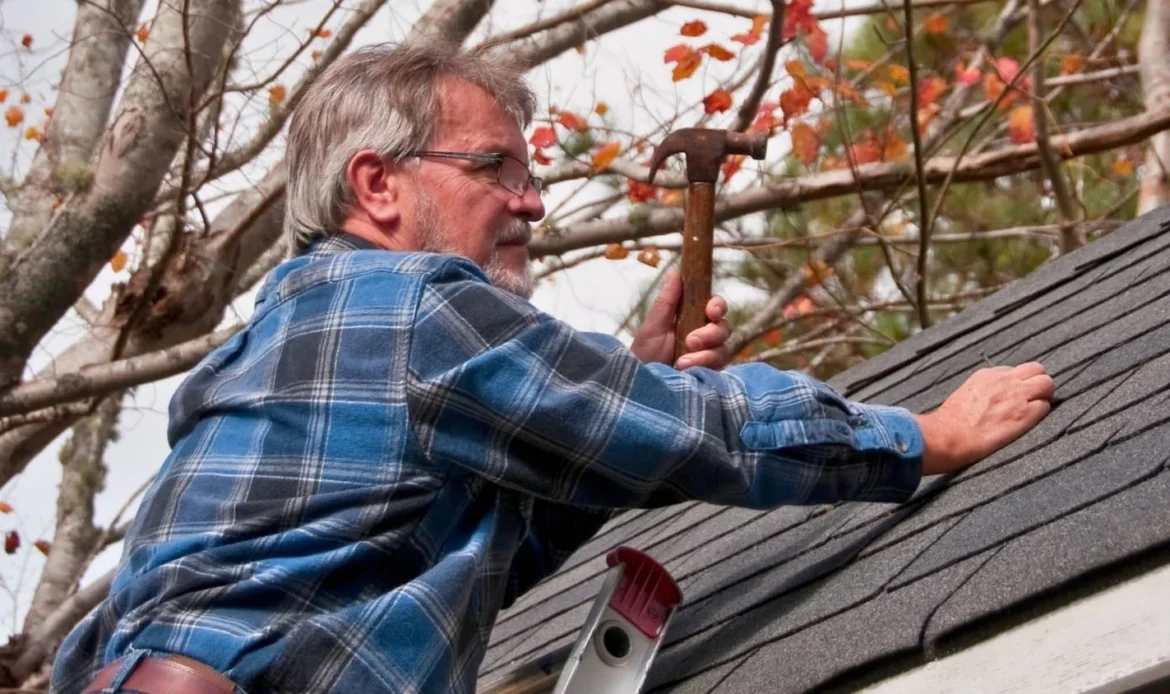
A roof sees an unusual load in a storm like that. Gutters overflow and push water under the drip edge and behind fascia boards. Low-slope sections pool and saturate the membrane. Aging pipe boots and chimney flashing are asked to handle more water than they were designed for. Underlayment that was already compromised absorbs moisture it cannot release.
The 72-hour window
Roof decking and underlayment dry on the surface within a few days, while moisture that has soaked into the wood can stay for weeks. That creates a narrow window in which an attic inspection tells the truth. Within about 72 hours of a major rain event, a homeowner can often see water stains, damp spots or swelling around penetrations. After the surface dries, that evidence tends to disappear, and so does a clear starting point for an insurance conversation.
He did not go into the attic. Nothing seemed urgent. The boot had probably cracked from age and sun, and each rain after July pushed a little more water into the deck.

Two months, and the bill
What would have been a $350 boot replacement in August became a $3,800 repair in September in this illustration. That covered replacing a section of sheathing, repairing the ceiling and drying the area. The homeowner might reasonably say the roof looked fine, but the damage was happening where he could not see.
Insurance came up right away. Carriers draw a line between flood damage, which comes from rising water and falls under flood coverage, and wind-driven rain entering through the roof, which generally falls under a homeowner’s policy. How the water got in matters, and so does documentation: dated photos of attic stains, wet insulation, flashing points and gutter overflow, taken as early as possible. He had few of those photos. That did not end a claim, but it made the story harder to prove. An inspection report from a roofer, with photographs of the cracked boot and sheathing damage, filled part of the gap. Our guide on wind damage roof repairs in Albany goes into how adjusters tend to look at roof damage.
What to check, and when
Homeowners in his position usually ask whether a check from the ground is enough. For a first pass it can reveal obvious damage, but it cannot show a cracked boot, pooled water on a flat section or damp decking. The items worth looking at are pipe boots, chimney flashing, valley flashing, skylight seals and the edge of any low-slope area. A page on storm damage roof repair in Albany describes what an inspection and repair typically cover, and repairing your roof covers the smaller fixes that can head off larger ones.
On timing, a cracked boot or damaged flashing is best handled soon. A related autumn story, a Clifton Park fall roof inspection after September wind, shows how a short inspection before the first freeze caught something similar.
The compounding risk before winter
Any moisture that entered the sheathing in July and was never dried is still there. When temperatures drop, freeze-thaw cycles begin. Trapped moisture expands and contracts, which widens gaps and speeds deterioration. A small issue from July can become a leak by January, and in the Capital Region winter is a hard time to find roofers.
That was the real cost of the delay in this illustration. It was not just the $3,450 difference. It was two months of slow damage that a ladder, a rubber boot and a tube of sealant could have stopped. If your roof went through July without obvious damage, that is not the same as being in the clear. For storm damage roof repair in Albany, NY, the useful question is usually where the water went, not whether shingles are missing.
If you’re looking for residential roofing help in Albany, you can reach out here.
Sources
- National Weather Service Albany: July 2026 Flash Flood Event
- Insurance Journal: New York’s Heavy Rains Lead to Water Rescues, Grist Mill Destruction
- FEMA: Returning Home After a Flood
- National Roofing Contractors Association: Technical Resources
- New York State Department of Financial Services: Homeowners Insurance