

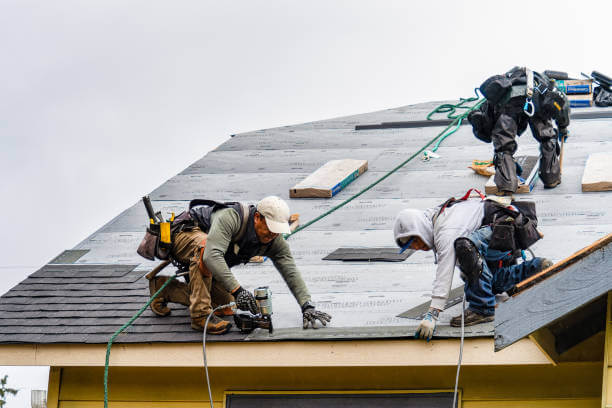
Upstate NY roofs work hard. Lake-effect snow in the Adirondack foothills, ice, freeze–thaw cycles, spring windstorms, and summer hail all push roof systems to their limits. If your roof is 15–25 years old, has leaks, or shows storm wear, planning a replacement before winter or the next storm event protects your home and wallet.
You want a straight path from problem to solution. Local crews, clear pricing, durable materials, and a clean install. If you’d like a trusted local option, Elite Contracting serves the Capital Region with roof inspections, installations, and replacements. When you search for roofing contractors near me, focus on proven Upstate NY experience and clear workmanship standards.
Why roof installation or replacement matters
A healthy roof protects your structure, indoor air, budget, and home value. Here’s why timely installation or replacement matters:
- Safety: Rotting sheathing and loose shingles can lead to structural issues and interior damage.
- Leaks and moisture: Water intrusion can soak insulation, damage drywall, and create mold conditions.
- Mold risk: Chronic dampness supports mold growth, which impacts air quality and can spread fast.
- Structural protection: Ice-dam backups and repeated leaks can degrade rafters and the roof deck.
In short, a sound roof prevents small problems from becoming high-cost repairs.
Cost vs. risk of delaying
Delaying a needed replacement often raises total cost. Here’s how:
- Repair escalation: A $350 shingle repair can become a $2,000 flashing and sheathing job if water infiltrates.
- Hidden interior damage: Wet insulation and ceiling replacement can add thousands.
- Insurance implications: Carriers may deny claims tied to deferred maintenance or pre-existing wear.
- Property depreciation: Appraisers and buyers discount homes with aged or failing roofs.
Cost escalation snapshot
| Problem | If fixed early | If delayed | Why costs grow |
|---|---|---|---|
| Missing shingles at eave | $250–$500 | $1,200–$2,500 | Ice damming leads to soaked sheathing and fascia |
| Small flashing leak | $300–$700 | $1,500–$4,000 | Ceiling, insulation, interior paint repairs |
| Granule loss, curling | Planned replacement | Emergency replacement + interior fixes | Water intrusion during storms |
Roof lifespan by material in Upstate NY

Service life varies by material, installation quality, ventilation, and weather exposure.
| Material | Typical lifespan (Upstate NY) | Wind/Hail resilience | Snow/Ice behavior | Maintenance |
|---|---|---|---|---|
| Architectural asphalt shingles | 18–30 years | Good; select high-wind rated products | Needs ice & water shield; proper ventilation critical | Low; periodic inspection |
| Metal roofing (steel/aluminum) | 40–70+ years | Excellent with correct fasteners and details | Sheds snow well; strong against ice dams | Very low; fastener checks as needed |
| Flat/low-slope (TPO/EPDM) | 15–30 years | Good with quality seams | Requires drainage; avoid ponding | Low; keep drains clear |
Cold winters and strong sun in summer shrink and expand roof materials. Proper ventilation and underlayment selection can add years to any system.
Storm, snow, and weather impact
- Ice dams: Warm attic air melts snow; water refreezes at the eave and backs up under shingles. Solution: robust attic insulation, balanced ventilation, and ice/water membrane at eaves and valleys.
- Snow load: Heavy, wet snow stresses framing. Metal panels shed snow faster; architectural shingles shed well with correct slope.
- High winds: Gusts can lift improperly fastened shingles. Look for shingles rated for high winds and proper nail patterns.
- Hail: Impact-resistant shingles and tough metal panels reduce damage risks.
- Freeze–thaw: Repeated cycles exploit weak flashing and aging sealants. Quality flashing and routine checks help.
Energy efficiency benefits
- Ventilation: Balanced intake (soffit) and exhaust (ridge) reduces attic heat and moisture. Target 1 sq ft net free vent area per 150 sq ft of attic floor (1:150), or better with a continuous system.
- Insulation: Attic insulation at or near R-49 helps stabilize indoor temps and limits ice dams.
- HVAC relief: Cooler attics in summer reduce AC demand; dry attics preserve insulation performance.
Curb appeal and long-term value
- Sale prep: A new roof is a strong listing feature. Buyers fear leaks; a clean roof eases concerns.
- ROI: A well-chosen roof can return a significant share of cost at resale, and may shorten time on market.
- Neighborhood fit: Color and profile should match local style—slate-look asphalt or standing seam metal suits many Capital Region homes.
Common red flags you can spot
- Curling or cracked shingles
- Granules in gutters and downspouts
- Visible leaks or water stains on ceilings
- Soft or spongy roof decking underfoot
- Rusty or loose flashing around chimneys/vents
- Moss or heavy algae growth
Issue severity matrix
| Sign | Severity | Meaning | Next Step |
|---|---|---|---|
| Occasional granules | Low | Normal aging | Monitor; schedule annual inspection |
| Curling shingles | Medium | UV age or ventilation issue | Evaluate replacement timing |
| Water stain on ceiling | High | Active leak | Immediate inspection and fix |
| Soft decking | High | Rot/moisture damage | Plan for sheathing repairs |
Repair or replace? How to decide
Consider these practical thresholds:
- Roof age: If your asphalt roof is 18–25+ years old, plan replacement, not repeated spot fixes.
- Repair costs: If repair estimates exceed ~25–30% of a full replacement, a new roof often makes more sense.
- Leak history: Multiple leak points or chronic attic moisture indicates systemic failure.
- Deck condition: Widespread soft or delaminated sheathing calls for tear-off and rebuild.
- Storm damage: After hail or high winds, a professional inspection can document condition for insurance.
Material and upgrade path
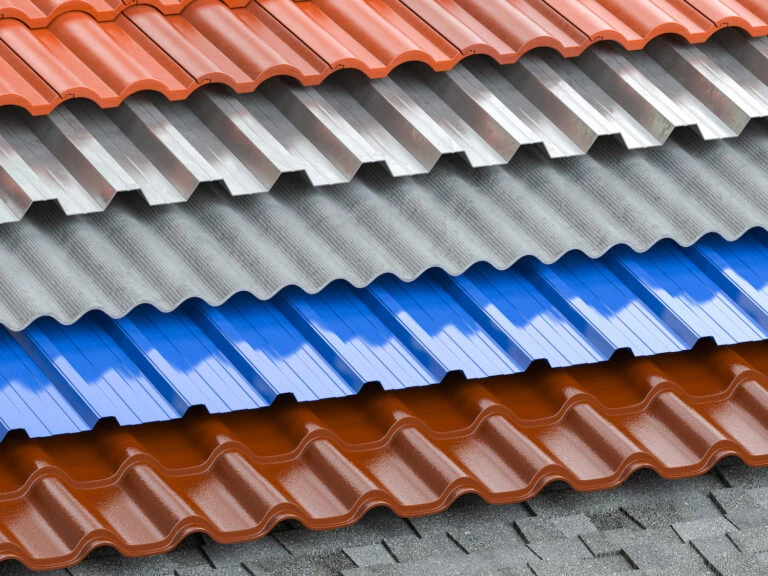
Choose based on budget, architecture, snow/wind exposure, and maintenance preferences.
Asphalt shingles (architectural)
- Best fit: Most pitched roofs; cost-effective and attractive.
- Pros: Many colors, solid wind ratings, familiar look.
- Consider: Add ice/water shield, ridge vent, upgraded underlayment.
Metal roofing (standing seam or metal shingles)
- Best fit: Long-term ownership, high-snow areas, clean modern or historic look.
- Pros: 40–70+ year life, snow-shedding, excellent wind performance.
- Consider: Snow guards near entries; color/finish matched to siding/trim.
Flat/low-slope (TPO/EPDM)
- Best fit: Porches, additions, low-pitch sections.
- Pros: Durable membranes, energy-efficient options.
- Consider: Proper drainage; regular drain and seam checks.
Want a deeper dive on options? See this local guide to the best roofing material for your home. Not sure if your roof is near the end? Review the warning signs that your roof needs replacement soon.
Fast comparison: Asphalt vs. Metal vs. Low-slope
| Feature | Architectural Asphalt | Metal Roofing | Low-Slope Membrane |
|---|---|---|---|
| Upfront cost | Lower | Higher | Moderate |
| Lifespan | 18–30 yrs | 40–70+ yrs | 15–30 yrs |
| Snow/Ice | Good with upgrades | Excellent | Needs drainage |
| Wind resistance | Good (rated options) | Excellent | Good |
| Maintenance | Low | Very low | Low–moderate |
Permit, workmanship, and warranty importance
- Permits: Most Capital Region towns require a permit for roof replacement. A pro should handle applications, inspections, and close-out.
- Workmanship: Proper nailing, flashing, ventilation, and ice/water membrane placement separates long-lived roofs from problem roofs.
- Warranties: Look for strong manufacturer coverage plus a clear workmanship warranty in writing. Ask how warranty claims are handled.
What a pro handles vs what the homeowner prepares
| A pro handles | You prepare |
|---|---|
| Condition assessment and photos | List of concerns, attic access |
| Material takeoff and ordering | Clear driveway access |
| Permits and inspections | Move patio furniture/vehicles |
| Tear-off and disposal | Secure pets; protect fragile items |
| Ice/water, underlayment, flashing | Confirm color/finish choices |
| Ventilation and edge metals | Discuss scheduling and day-of contact |
| Final cleanup and magnet sweep | Walk-through at completion |
Homeowner readiness checklist
- Pick shingle/metal color and profile
- Confirm permit plan and inspection dates
- Clear 2–3 car lengths in driveway
- Protect attic valuables from dust
- Confirm start time and daily access needs
- Ask about rain/backup weather plan
Step-by-step installation process
- Inspection and planning: Measure roof, check decking, ventilation, and flashing points.
- Protection: Tarps over landscaping and siding; plywood for windows if needed.
- Tear-off: Remove all old layers to the deck. Replace rotten or delaminated sheathing.
- Deck prep: Install drip edge at eaves; check and adjust intake vents.
- Ice and water shield: Install along eaves (often 6 feet from edge), in valleys, and around penetrations.
- Underlayment: Synthetic underlayment over remaining deck; starter strip at eaves and rakes.
- Flashing: Replace step, counter, and chimney flashing; set new pipe boots.
- Shingle or panel installation: Follow manufacturer patterns and nail schedules; for metal, secure panels with correct clips/fasteners.
- Ventilation: Cut ridge slot if appropriate; install ridge vent and matching ridge cap.
- Detailing and sealants: Address skylights, sidewalls, and terminations to code.
- Cleanup: Magnet sweep, debris removal, final walk-through with photos.
Timeline: Most single-family asphalt roofs take 1–3 days. Metal roofs vary 2–5 days depending on complexity and custom fabrication.
Budgeting and financing
Costs vary by size, pitch, layers, material, and details like skylights or chimneys. These are ballpark ranges for the Capital Region.
| Home type (approx. roof size) | Asphalt architectural | Metal roofing | Low-slope membrane |
|---|---|---|---|
| Small ranch (15–20 squares) | $9,000–$16,000 | $18,000–$32,000 | $6,000–$12,000 (low-slope sections) |
| Mid-size colonial (22–30 squares) | $12,000–$22,000 | $24,000–$45,000 | $8,000–$16,000 (low-slope sections) |
| Larger home (30–40+ squares) | $18,000–$30,000+ | $36,000–$60,000+ | $12,000–$24,000+ |
Adders to consider:
- Tear-off of multiple layers
- Sheathing replacement (priced per sheet)
- Skylight replacement
- Chimney masonry or cricket
- Gutter replacement
Financing pointers
- Ask about staged payments tied to milestones, not big upfront deposits.
- Compare financing offers; check total cost, not just monthly payment.
- If insurance is involved, align scope with adjuster notes and supplement if needed.
When to ask for an expert evaluation
- After a windstorm or hail event
- Active leak or ceiling stain
- Roof over 18 years old (asphalt) or showing curl/granule loss
- Energy bills rising with increased attic heat or ice dams
- Selling or buying a home within 12–18 months
If any of these apply, schedule inspections with reputable locals you find when searching roofing contractors near me. Ask for photos and a written report.
How to review and compare contractor bids
What should be included
- Full tear-off or overlay, with number of layers to remove
- Underlayment type and ice/water shield coverage
- Flashing replacement plan (chimney, walls, skylights, pipes)
- Ventilation strategy (intake and exhaust)
- Shingle or metal product line, color, wind rating
- Sheathing repair price per sheet
- Gutter protection or gutter replacement if included
- Permits, inspections, and cleanup details
- Workmanship warranty length and what it covers
- Payment schedule and change order process
Bid red flags
- Vague scope or missing flashing details
- Cash-only or large upfront deposit demand
- Refusal to show insurance or references
- Unclear warranty terms
- Unusually low price relative to market without explanation
roofing contractors near me
Search results can be long. Before you pick from the results for roofing contractors near me, verify local permitting knowledge, proof of insurance, photos of recent local jobs, and clear installation steps. Prioritize crews familiar with snow, ice dams, and ridge-and-soffit ventilation used across the Capital Region and the Adirondack foothills.
FAQ
How long does a roof installation take?
Most asphalt roofs finish in 1–3 days. Metal roofs may take 2–5 days depending on complexity and fabrication.
Is winter roofing possible in Upstate NY?
Yes, with proper weather windows and cold-weather materials. However, spring through fall offers the best conditions.
Do I need to replace gutters with the roof?
Not always. But if gutters are bent, leaking, or poorly sloped, replacement during the roof project is efficient.
Can a new roof lower energy bills?
Yes. Better ventilation and attic insulation reduce ice dams and summer heat gain, easing HVAC load.
What’s the best roofing color for snow and ice?
Color is a style choice. Performance depends more on ventilation, underlayment, and material type than color.
How do I know if my deck needs replacement?
During tear-off, pros check for soft or delaminated sheathing. Localized sheets are replaced as needed.
Should I overlay or tear off?
Tear-off is best. It exposes the deck, allows full flashing upgrades, and maximizes longevity and warranty eligibility.
Will a metal roof be noisy?
No, not when installed over solid decking with underlayment. Interior sound levels are similar to shingles.
Conclusion
A strong roof keeps your home dry, efficient, and ready for Upstate NY weather. If your roof shows age, leaks, or storm wear, plan a timely replacement to avoid escalation, protect value, and improve comfort. Get clear scope, solid ventilation, quality flashing, and a crew that understands local codes and snow loads. For a trustworthy local option in the Capital Region, schedule an inspection with Elite Contracting. Compare written bids, confirm materials and ventilation details, and choose a team that stands behind the work. When you’re ready to act, start with local estimates from roofing contractors near me and move forward with confidence.