
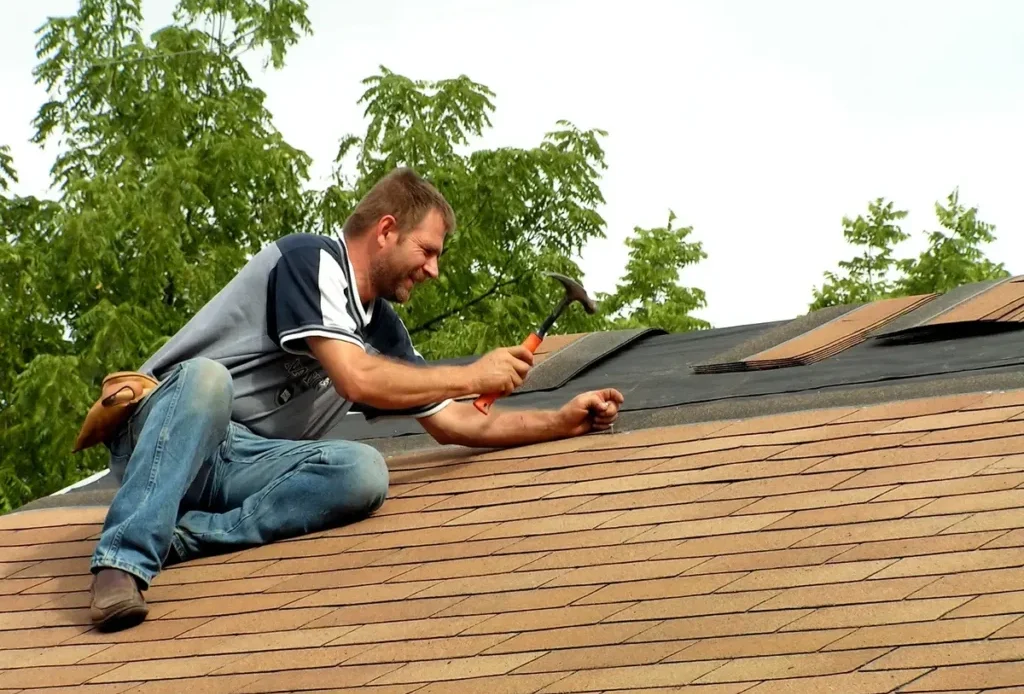
Thinking about climbing onto your roof this weekend? Before you do, know this: most roofing tasks are among the most dangerous jobs a homeowner can attempt. From hidden fall hazards to long-term structural damage, what looks simple on YouTube can quickly become a costly—and risky—mistake. In Upstate NY, where snow load, ice damming, and high winds compound the danger, the stakes are even higher.
When safety and your home’s value are on the line, trust experienced pros. Homeowners across the Capital Region rely on Elite Contracting for meticulous inspections, code-compliant repairs, and roof replacements that stand up to Albany’s climate. This guide explains exactly what roof work you should never DIY, what you can safely do, how to evaluate risk, and how to prepare when you bring in the pros.
Roof Safety 101: Why DIY Roofing Is Risky

Q: What’s the number one risk of DIY roofing?
Falls. Most residential roofs exceed the safe height and pitch for untrained work. Slippery shingles, sawdust, loose granules, and sudden gusts—especially common in Upstate NY—turn routine steps into life-threatening slips.
Q: Can DIY roof work damage a home’s structure?
Yes. Misplaced fasteners, over-driving nails, cutting rafters, or walking on weak decking can compromise load paths. In winter, structural weaknesses become acute under heavy snow. A “small fix” can create chronic leaks or sagging.
Q: What about building codes and permits?
Roofing is regulated. Incorrect ventilation, insufficient ice-and-water shielding, or improper flashing around penetrations can fail code and lead to fines or required tear-offs. Pros pull proper permits and build to local code.
Q: Will my insurance cover DIY mishaps?
Insurers often deny claims arising from unlicensed work or code violations. If a DIY error causes water damage or mold, you could be responsible for full remediation and restoration costs.
What Roofing Jobs Should You Never DIY?
1) Full Roof Tear-Offs and Replacements
Beyond dangerous demolition, replacements require proper underlayment sequencing, starter rows, hip/ridge detail, ventilation math, and manufacturer-specific nailing patterns to preserve warranty coverage.
2) Flashing Replacement and Tie-Ins
Improper step flashing at sidewalls, headwalls, chimneys, and dormers is the top source of hidden leaks. Correct disassembly, counterflashing, and re-integration with cladding materials take training and the right tools.
3) Structural Deck Repairs
Plywood/OSB replacement, sistering rafters, and fixing rot involve structural decisions, fastener schedules, and load considerations—unsafe for DIY.
4) Skylight and Chimney Work
These penetrations require manufacturer kits, pitch-specific techniques, and careful water management. Errors become chronic leaks.
5) Steep-Slope and High-Pitch Roofs
Anything over 6/12 pitch demands specialized fall-protection systems and roof jacks. Without them, risk of severe injury is high.
6) Storm Damage Assessment and Emergency Tarping
Walking a wind- or ice-damaged roof is particularly hazardous. Professional crews use harnesses, anchors, and safe staging.
If you suspect any of the above, schedule an evaluation with Upstate NY pros like elite contracting for a safety-first plan and accurate scope.
DIY Mistakes That Create Long-Term Hazards
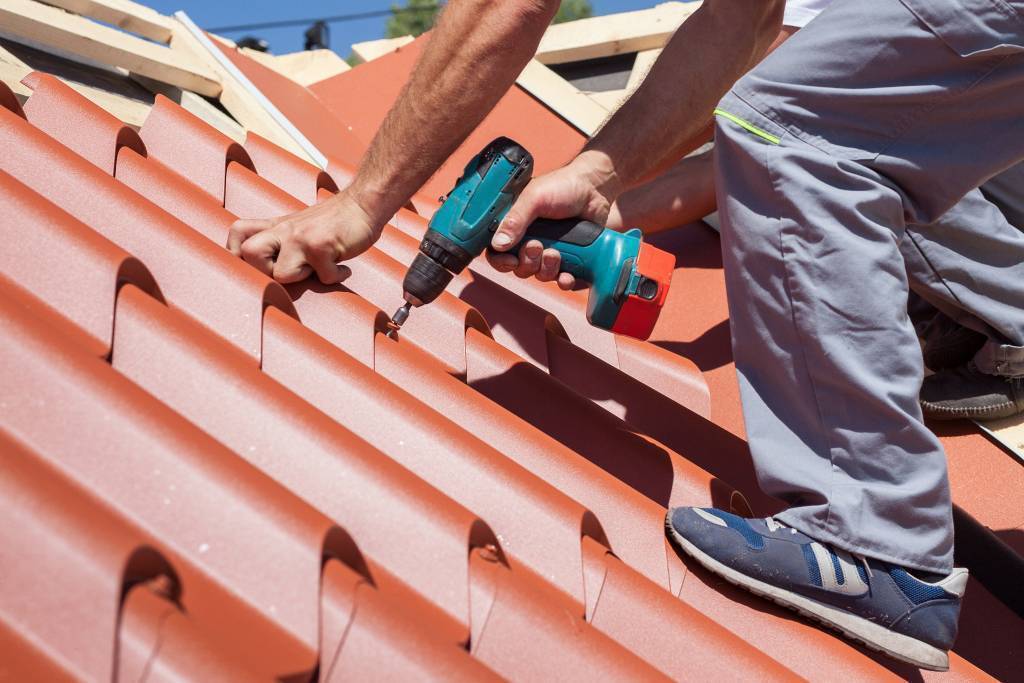
Misaligned or Under-Driven Nails
High nails, angled shots, and under-driven fasteners lead to shingle blow-offs and leaks under wind uplift. Over-driven nails cut mats and void warranties.
Underlayment and Ice Barrier Errors
Incorrect lapping, gaps, or missing ice-and-water shield along eaves/valleys cause capillary leaks and ice-dam backflow. Moisture traps promote mold inside attic cavities.
Ventilation Miscalculations
Exhaust-only or intake-only venting, blocked soffits, or mixing ridge and box vents can pressurize the attic, leading to condensation, premature shingle aging, and winter ice issues.
Material Mismatch
Combining incompatible products (e.g., certain sealants on modified bitumen, non-UV-rated caulks) accelerates failure.
When in doubt, hand it to certified roofers. Coordinated systems, compliance, and warranty protection are why homeowners turn to elite contracting for permanent fixes—not temporary patches.
Cost Comparison: DIY vs. Professional
DIY often looks cheaper until you include safety equipment, tool purchases, waste, time off work, and potential remediation of mistakes. Here’s a realistic look:
| Line Item | DIY (Typical) | Professional (Typical) |
|---|---|---|
| Fall-Protection Gear (harness, anchors, rope, roof jacks) | $450–$900 | Included |
| Specialty Tools (coil nailer, compressor, shears, magnetic sweeper) | $500–$1,200 | Included |
| Dumpster/Disposal | $300–$700 | Included |
| Material Waste (wrong cuts, overage) | $200–$600 | Minimal (pro planning) |
| Permits/Inspections | $50–$250 (DIY must coordinate) | Managed by contractor |
| Time Off Work | 1–4 days lost wages | 0 days (crew completes) |
| Risk of Remediation (leaks, mold, blow-offs) | $500–$5,000+ | Backed by workmanship/warranties |
| Estimated Total (simple repair) | $1,500–$4,000+ | Often comparable or less when risk, time, and warranties included |
Hidden costs from one misstep can wipe out perceived savings. For complex scopes, work with a vetted local team such as elite contracting to control cost and risk.
Weather Hazards Unique to Upstate NY
Ice Damming
Freeze-thaw cycles force meltwater beneath shingles when ventilation/insulation are off. Proper ice-and-water shield and air balance are key defenses.
Wind Uplift
Albany-area gusts exploit mis-nailed shingles, exposed edges, and loose ridge caps. Manufacturer nailing patterns and edge metal matter.
Snow Load
Roof framing and decking must safely carry winter weight. Hidden rot or weak decking becomes dangerous when snow accumulates.
Thermal Shock
Rapid temperature swings fatigue sealants and flashing joints. Pro-grade materials and techniques mitigate premature failures.
Seasonal Roofing Risk Index (Upstate NY)
Jan  ████████▉  Very High
Feb  ████████   High
Mar  ███████    Elevated (thaw cycles)
Apr  ████▌      Moderate (spring storms)
May  ███        Moderate
Jun  ██▌        Lower
Jul  ██         Lower
Aug  ██         Lower
Sep  ███        Moderate (wind/rain)
Oct  █████      Elevated (wind, early frost)
Nov  ███████    High (freeze-thaw)
Dec  ████████   Very High
Signs You Definitely Need a Professional
| Sign | What It Means | Urgency |
|---|---|---|
| Water stains on ceilings/attic sheathing | Active leak; potential mold | High |
| Granule piles in gutters/downspouts | Shingle aging or hail impact | Medium |
| Curled, lifted, or missing shingles | Wind damage; improper sealing | High (wind season) |
| Soft spots or sagging roof deck | Rot or structural compromise | Immediate |
| Rusting/flashing gaps around chimneys/walls | Likely leak path | High |
| Ice dams at eaves | Ventilation/insulation issue | High (winter) |
| Attic humidity/condensation | Poor ventilation | Medium |
Advantages of Hiring Pros for Upstate NY Roofs
- Safety-first crews with fall protection, anchors, and staging
- Code compliance and permit handling
- Manufacturer-trained installers; warranties preserved
- Faster turnaround and weather-ready scheduling
- Precise flashing, ventilation, and ice barrier detailing
- Full cleanup: magnetic sweep, debris removal, gutter clearing
- Photo documentation and transparent communication
Local expertise matters. A vetted Albany-area team ensures your system is built for our wind and snow patterns.
elite contracting: Your Safety-First Roofing Partner
When safety, warranty protection, and long-term performance are non-negotiable, partner with a trusted local contractor familiar with Capital Region codes and weather realities.
Table: Skill Level vs. Safety Concern Index
| Task | Typical DIY Skill Needed | Safety Concern Index (1–10) | DIY? (Y/N) |
|---|---|---|---|
| Light gutter cleaning at single-story with stable ladder | Basic | 3 | Yes (with PPE & spotter) |
| Shingle tab sealant touch-up on low-slope porch | Intermediate | 5 | Maybe (dry, calm weather) |
| Replacing broken shingles on 6/12+ pitch | Advanced | 7 | No |
| Valley or chimney flashing replacement | Pro-level | 9 | No |
| Full tear-off and re-roof | Pro-level | 10 | No |
| Skylight install or re-flashing | Pro-level | 9 | No |
When You Can Safely DIY (and When You Shouldn’t)
Reasonable DIY Tasks
- Ground-level visual inspections with binoculars
- Light gutter cleaning on a single-story section using a stabilizer, a spotter, and non-slip shoes
- Clearing minor debris from low-slope porch roofs (dry conditions, no wind)
- Replacing a downspout or reattaching a loose gutter strap
DIY Rules of Engagement
- Never work alone; use a spotter
- Use a ladder stabilizer and secure footing
- Wear PPE: non-slip shoes, gloves, eye protection
- Stop immediately if wind picks up or surfaces are damp/icy
Never DIY
- Anything on steep-slope or multi-story sections
- Flashing repairs, skylight/chimney work, valley repairs
- Structural deck repairs or extensive shingle replacement
- Ice dam removal using chisels/heat—this can destroy shingles and cause leaks
How Long Should a Roof Last? Plan Repairs vs. Replacement
Knowing typical lifespans helps you decide whether to repair or plan a replacement. Read this in-depth guide: How long should a roof last? It covers material lifespans, warning signs, and budgeting tips for Upstate NY climates.
How to Choose the Right Contractor in Albany
Vetting matters. Compare experience, certifications, local references, and warranties across Capital Region companies with this guide: Roofing companies in Albany—Which one is better for you?
What to Expect When You Hire a Roofing Professional
Permits and Pre-Planning
- Permit pulled and scope aligned with local code
- Pre-job inspection documenting existing conditions
- Material choices finalized with warranty details
On-Site Safety and Daily Operations
- Fall-protection and anchor points installed
- Property protection: tarps over landscaping, plywood over vulnerable areas
- Weather-adjusted scheduling to avoid wind/precipitation
- Daily progress updates and photo documentation
Quality Controls
- Correct underlayment laps, ice-and-water shield at eaves/valleys
- Proper nailing patterns and ridge/hip finishing
- Flashing integrated with siding/masonry according to best practices
- Balanced attic ventilation calculated for net free area
Cleanup and Closeout
- Magnetic sweep for nails
- Debris removal and gutters checked
- Final walk-through, warranty registration, and documentation
How to Prepare Your Home for a Pro Roof Job
- Move vehicles from driveway to clear space for the dumpster and crew
- Protect attic items with plastic sheeting and cover delicate items
- Take down wall art and shelf items susceptible to vibration
- Inform neighbors about the project timeline
- Secure pets indoors and plan for noise
- Mark sprinkler heads and fragile landscaping
Summary Decision-Making Graphic: DIY or Call a Pro?
[Start]
   |
   v
Is the work above a single-story, low-slope area AND 100% dry with no wind?
   |-- No --> Call a Pro
   |-- Yes --> Do you need to touch flashing, skylights, chimneys, or valleys?
                |-- Yes --> Call a Pro
                |-- No --> Do you need to replace more than 3 shingles or any decking?
                             |-- Yes --> Call a Pro
                             |-- No --> Do you have a spotter, PPE, and a ladder stabilizer?
                                          |-- No --> Call a Pro
                                          |-- Yes --> Proceed cautiously with small task
FAQ: Your Top Roof Safety Questions Answered
Q: Can I just seal a leak with caulk?
Caulk is a temporary bandage and often traps moisture. Leaks usually originate from flashing or underlayment issues that require professional correction.
Q: What’s the safest weather window for DIY basics?
Dry, mild days with low wind (<10 mph), no frost or dew, and full daylight. If conditions change, stop immediately.
Q: How fast should storm damage be assessed?
Immediately—but safely. Document from the ground and schedule an inspection. Emergency tarping should be done by trained crews.
Q: What if my roof is near end-of-life?
Aging systems fail more easily under snow and wind. See How long should a roof last? to gauge remaining life and plan proactively.
Q: What guarantees come with professional work?
Reputable contractors offer workmanship warranties and maintain manufacturer certifications so product warranties stay intact.
When you value safety, code compliance, and long-term performance, bring in experienced pros. Homeowners across Upstate NY lean on Elite Contracting for thorough inspections, right-sized solutions, and durable installations that handle Albany winters with confidence.
This post has been published by Powerful Media Solutions. If you are looking for a marketing agency, please reach out.