

Summary
- Material, attic ventilation, and installation quality set your roof’s lifespan range.
- Albany’s freeze–thaw cycles and ice dams shorten roof life if unmanaged.
- Strategic repairs can add 2–8 years when the deck is sound; replacement when issues are systemic.
- Inspect every spring and fall; catch small leaks before winter.
- Warranties do not equal years-in-service; conditions and workmanship rule.
Introduction
Homeowners around Albany, Schenectady, Troy, and Saratoga often ask us a simple question with a complex answer: how long should a roof last here? We’ve installed, repaired, and replaced thousands of roofs in the Capital Region over 16+ years. We’ve seen roofs outlast expectations and others fail far earlier than their label suggests. The difference usually isn’t the brochure; it’s the local climate, the details of the build, and how the system is maintained.
Confusion usually starts with national claims or warranty terms that don’t match real-world conditions. Albany’s weather is not generic. Winter ice dams, shoulder-season winds, rapid temperature swings, and mixed precipitation patterns put unique stress on shingles, fasteners, flashings, and membranes. A realistic lifespan is a range, not a guarantee, and the right decision between repair and replacement depends on what we find on your roof and in your attic, not a printed number.
What “Roof Lifespan” Really Means in the Capital Region
When we talk about lifespan, we mean the years a roof can perform safely without chronic leaks or escalating maintenance, given Albany-area weather and typical homes. That lifespan depends on five levers:
- Material type and grade
- Installation quality (especially flashings and nailing)
- Attic ventilation and insulation balance
- Roof design (slope, valleys, penetrations, and transitions)
- Maintenance and timely repairs
Average Lifespan by Roofing Material (Local Observations)
These ranges reflect what we routinely see on Capital Region jobs, not national advertising. Your results can vary based on shading, wind exposure, and build detail.
| Material | Typical Lifespan (Albany area) | Maintenance Level | Relative Cost | Notes |
|---|---|---|---|---|
| 3-tab asphalt shingles | 12–17 years | Low–Moderate | $ | Most sensitive to wind lift and heat cycling; few new installs now. |
| Architectural asphalt shingles | 18–28 years | Low–Moderate | $$ | Stronger wind ratings; ventilation and ice-dam control matter. |
| Premium asphalt (impact or designer) | 22–32 years | Moderate | $$$ | Thicker mats, better granules; still needs good attic conditions. |
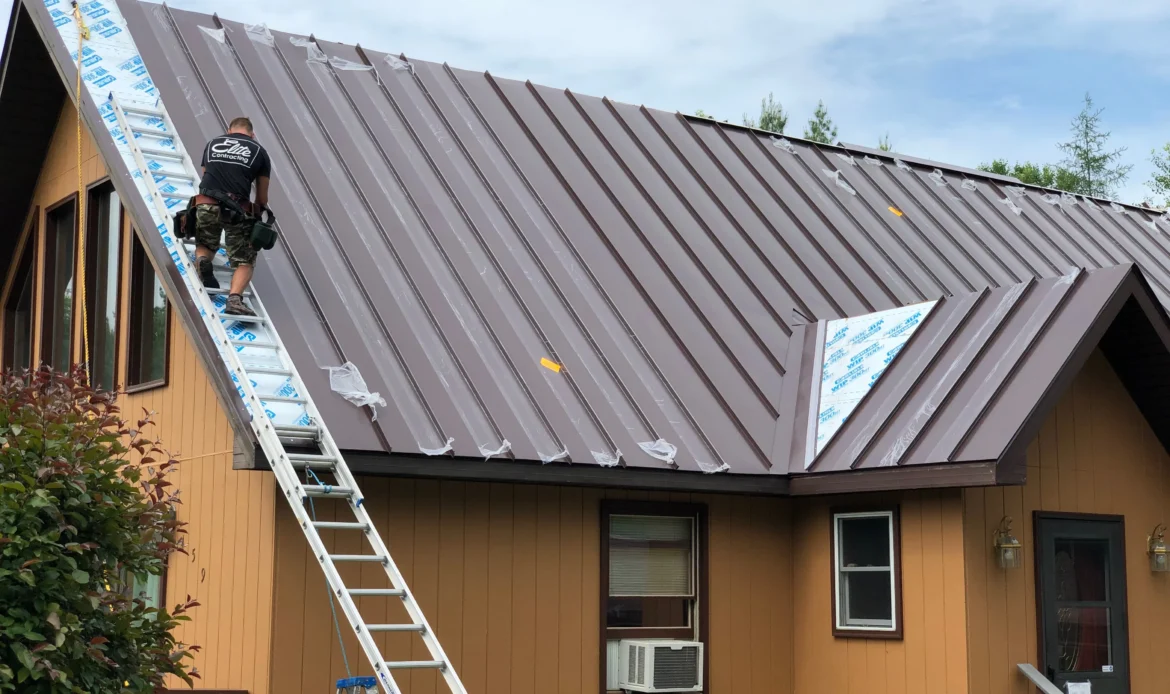
| Standing seam steel (painted) | 35–50+ years | Low | $$$$ | Excellent snow shedding; install quality and panel locking are critical. |
| Aluminum metal | 35–45 years | Low | $$$$ | Resists corrosion; softer metal requires careful detailing. |
| EPDM (low-slope) | 18–25 years | Moderate | $$$ | Seams and penetrations are the weak points; ponding is a risk. |
| TPO/PVC (low-slope) | 20–30 years | Moderate | $$$ | Bright membranes reflect heat; welding quality matters. |
| Cedar shake | 18–28 years | High | $$$$ | Needs airflow and consistent upkeep; moss control is important. |
| Natural slate | 60–100+ years | Moderate | $$$$$ | Long-lived stone; fastening and flashing replacement drive upkeep. |
Albany Weather: The Real Driver of Roof Longevity
Key local stressors we plan for
- Freeze–thaw cycles: Daytime melt and nighttime refreeze stresses shingles, flashings, and sealants. Micro-cracks grow over seasons.
- Ice dams: Roof edges over cold eaves refreeze, forcing water under shingles and into nail holes if underlayment or ventilation is poor.
- Wind and nor’easters: Gusts exploit any nailing or sealing weakness and can lift edges, especially on older three-tab roofs.
- Mixed precipitation: Wet snow and rain add load and keep surfaces saturated, accelerating granule loss and rust on exposed fasteners.
- Spring pollen and debris: Clogged gutters cause water to back up the roof plane and into fascia and soffits.
We design and evaluate roofs here with those forces in mind. Proper intake and exhaust ventilation, ice & water shield placement, and tight flashing work are not extras in the Capital Region—they’re essential to reach the upper end of a roof’s lifespan range.
Signs Your Roof Is Aging vs. Failing
Aging (watch and plan)
- Granules in gutters but shingles still lying flat
- Color fade without cupping or curling
- Minor sealant cracking at flashing edges
- Occasional lifted shingles after wind events
Failing (address soon)
- Widespread shingle curling, cupping, or blistering
- Repeated leaks at different locations, not just one flashing
- Soft or spongy sheathing underfoot (deck damage)
- Ceiling stains that return after “patch” attempts
- Ice dams forming even after gutter cleaning and heat cable attempts
These patterns help decide whether targeted roof repair in Albany New York can reasonably buy time or if replacement is the safer long-term move.
How Long Can a Repair Extend Roof Life?
When the deck is dry, ventilation is correctable, and shingle wear is moderate, strategic repairs typically extend service life by:
- Asphalt shingles: 2–6 years with localized shingle replacement, flashing rework, and underlayment upgrades.
- Metal roofs: 3–8 years with panel reseaming, fastener replacement, and penetration flashing updates.
- Low-slope membranes: 2–5 years by renewing seams, installing tapered crickets, improving drains, and adding walk pads.
Repairs are poor value when multiple system elements have aged out together. If we find brittle shingles across slopes, chronic attic condensation, sagging decks, or widespread membrane shrinkage, a patch delays the inevitable and can cost more in the long run.
When a Repair Is Logical vs. Replacement Is Smarter
Scenario breakdown
| Situation we find | Likely Path | Reasoning |
|---|---|---|
| Isolated flashing leak at chimney; rest of roof is sound and 10–14 years old | Repair | Single failure point; extend life with new flashing and counterflashing. |
| Several slopes show shingle granule loss and occasional wind-lift at 18–22 years | Case-by-case; repair or plan replacement | Repairs can buy 2–4 years if decking is good and budget favors staging. |
| Recurring ice-dam leaks despite clean gutters; minimal insulation and poor soffit intake | Repair + Attic corrections or Replacement if shingles are brittle | Thermal fix (air sealing/insulation/vent) is required either way. |
| Multiple leak sources, curled shingles, soft spots, and active mold in attic | Replacement | Systemic aging; patching compounds risk and cost. |
| Low-slope EPDM with seam failures, ponding, and nearly 25 years old | Replacement | Membrane at end-of-life; tapered insulation and new membrane improve drainage. |
If you’re weighing the threshold between a temporary fix and full replacement, our new roof longevity explainer outlines how “30-year” labels translate to real service years here.
Key Factors That Change Lifespan
Ventilation and insulation balance
We routinely see roofs lose 5–7 years of potential life due to hot attics in summer and cold eaves in winter. Balanced intake at the soffits and continuous ridge exhaust keep shingle temperatures even and reduce ice dams. Attic air sealing and insulation stop heat from escaping into the roof deck.
Roof slope and design complexity
Low slopes, long valleys, and transitions (wall-to-roof, dormers) add risk. They demand more underlayment and meticulous flashing. Complex roofs can still last, but only with higher attention during installation and inspection.
Material and accessory quality
Heavier shingle mats, hot-dipped galvanized or stainless flashings, and high-temperature ice & water shield at eaves and valleys perform better in Albany’s seasons. On low-slope roofs, welded seams or properly primed and taped seams pay off over time.
Installation details
Nailing pattern, starter placement, ridge cap alignment, and penetration flashing are where we see early failures. A roof can be made from good parts and still live a short life if these details are missed.
Myths About Roof Lifespan We Correct Weekly
- “A 20-year shingle lasts 20 years.” Not automatically. In our climate, 18–24 years is more realistic with good ventilation and maintenance.
- “Ice dams mean I need heat cables.” Heat cables are a band-aid. Air sealing, insulation, and ventilation are the durable fix, often paired with eave underlayment upgrades.
- “If it’s not leaking, it’s fine.” Many failures begin under the shingles at fasteners and sheathing. We often find problems before interior stains appear.
- “Metal roofs are maintenance-free.” They need fewer repairs, but fasteners, sealants, and snow controls still require periodic checks.
- “Warranties guarantee lifespan.” Manufacturer warranties cover specific defects under conditions; service life depends on installation and environment.
Manufacturer Warranties vs. Real-World Years
We explain warranty terms on every project because expectations can drift away from reality. A “lifetime” shingle warranty often means limited coverage that declines with time and requires proper ventilation, approved accessories, and proof of maintenance. Wind warranties require enhanced nailing patterns and sometimes specific starters. Algae warranties address appearance, not leaks.
In short: warranties protect against product defects, not Albany’s weather or workmanship shortcuts. A well-built, well-ventilated roof may outlive its paperwork. A poorly detailed roof can fail well inside any warranty window.
Inspection Frequency in the Capital Region
Simple twice-yearly checklist
- Spring: Walk the perimeter. Look for missing shingles, lifted edges, and popped nails after winter winds.
- Spring: Check gutters and downspouts for granules, shingle pieces, and proper slope.
- Spring: From the attic, inspect the underside of the sheathing for dark stains, frost history, or active drips during rain.
- Fall: Clear leaves from valleys and gutters to prevent ice damming.
- Fall: Confirm ridge and soffit vents are open; look for insulation blocking soffit baffles.
- After major storms: Scan for debris impact points and flashing displacement, especially around chimneys and skylights.
If you spot recurring issues and want to buy time before replacement, targeted roof repair in Albany New York can be reasonable, but only when the roof’s base layers are still healthy.
DIY Visual Signs That Point to Needed Service
- Shingles that change shape (curl, cup) across several areas
- Drip edge staining or fascia rot under clean gutters
- Rust trails under metal fasteners or at skylight frames
- Loose step flashing where siding meets roof planes
- Persistent attic frost in winter (points to air leaks and poor ventilation)
Document what you see with photos from the ground or a stable ladder. Interior ceiling stains, especially that reappear after repainting, are strong indicators of deeper roof or attic issues.
How Albany Weather Patterns Shape Typical Wear
The pattern we see most often is steady granule loss on south and west slopes first, then edge wear at eaves from ice damming, followed by leaks at complex transitions when sealants age. On low-slope roofs, ultraviolet exposure and ponding water at poorly pitched sections shorten membrane life. The first hot spring days after a cold winter are hard on aged sealants, so many leaks appear between March and May.
Sample Lifespan Comparison — Cost, Material, Maintenance
| Material | Lifespan Range (yrs) | Maintenance | Relative Cost | Repair Impact |
|---|---|---|---|---|
| Architectural asphalt | 18–28 | Clean gutters, inspect flashings | $$ | Add 2–6 yrs with localized fixes if deck is sound |
| Premium asphalt | 22–32 | Same as above | $$$ | Similar extension; better wind resistance |
| Standing seam steel | 35–50+ | Check fasteners/sealants every few years | $$$$ | Add 3–8 yrs by resealing and tightening |
| EPDM (low-slope) | 18–25 | Keep drains clear; inspect seams | $$$ | Add 2–5 yrs by seam restoration and tapered crickets |
| TPO/PVC (low-slope) | 20–30 | As above | $$$ | Similar extension with welded patching and detailing |
Frequently Asked Questions
Does a darker shingle color reduce lifespan here?
Darker shingles run hotter in summer, which can increase thermal cycling. With correct ventilation, we do not see a meaningful penalty in Albany. Without it, any color ages faster.
Can adding a second shingle layer save money without hurting lifespan?
We rarely recommend overlays in the Capital Region. Added weight, trapped heat, and hidden deck issues shorten life and can complicate future repairs.
Is partial replacement on one slope a good idea?
It can be, especially after wind damage concentrated on one exposure. We evaluate tie-in details carefully so you don’t inherit leaks where old meets new.
How often should flashing be renewed?
Chimney and wall flashings can last the life of a roof when installed correctly, but mortar joints and sealants age. We often refresh counterflashing during mid-life repairs.
Will a higher wind-rated shingle solve my winter problems?
It helps with gusts, but ice dams are about attic heat and eave protection. Upgrade nailing patterns and address ventilation together for best results.
Putting It All Together: What to Expect in Years
In and around Albany, a well-installed architectural asphalt roof with balanced ventilation commonly delivers 20–26 years. Premium asphalt can push a few more. Properly detailed standing seam metal can reach 40–50+ years. Low-slope membranes perform best when drains and pitches are addressed during installation, keeping them in the 20–30-year window.
If your current roof shows isolated issues and the deck is solid, selective repairs and attic corrections can sensibly extend life. If wear is widespread, ice dams are chronic, or leaks appear at multiple planes, replacement is safer and often less expensive over the next decade than recurring patchwork.
Conclusion
Roof life in the Capital Region is a range defined by material, installation detail, attic conditions, and the weather patterns we know well: freeze–thaw, wind, mixed precipitation, and seasonal debris. A roof may last longer than its warranty or fall short of its brochure; the difference is in the build and upkeep. When deciding between repair and replacement, consider whether the problems are isolated or systemic and how the roof will face the next Albany winter. That context will keep your expectations realistic and your home protected.